Fire Aid Chimney Services
Fireplace Insert Installation in Easley South Carolina
Fireplace Insert Installation in Easley South Carolina
An open masonry fireplace looks good, but it does not heat well. Most of the heat goes up the chimney, and the fire pulls warm air out of the room. A fireplace insert changes that. It is a sealed firebox that fits inside the existing fireplace opening, converting an inefficient open fire into a controlled, heat-producing appliance. The installation is not as simple as sliding the insert into place. It requires a properly sized stainless steel liner, correct clearances, a noncombustible hearth, and code-compliant work. Fire Aid Chimney Services provides fireplace insert installation in Easley South Carolina for homeowners who want to turn their fireplace into a real heat source. In addition, we handle chimney inspection, chimney sweep, chimney cleaning, chimney repair, masonry chimney repair, fireplace inspection, and gas fireplace service.
What Makes an Insert Different From a Freestanding Stove
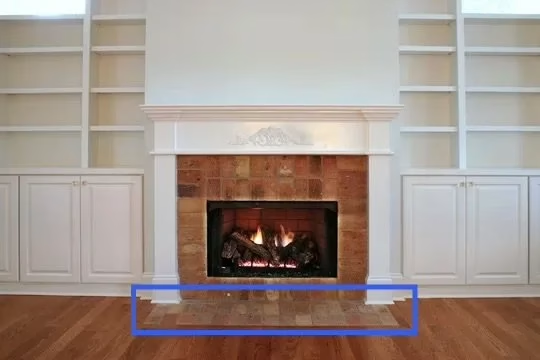
A fireplace insert is a self-contained firebox that installs inside the opening of an existing masonry fireplace. It is not the same as a freestanding wood stove. A freestanding stove sits in the room and connects to its own flue. An insert goes into the fireplace cavity and uses the existing chimney for venting.
The key difference is efficiency. An open fireplace loses most of its heat up the chimney. An insert has a sealed firebox with controlled air intake. That means the fire burns hotter and cleaner, and more heat radiates into the room instead of escaping outside. Inserts also meet EPA emissions requirements, so they burn cleaner than older open fireplaces.
Why Easley South Carolina Inserts Need a Stainless Steel Liner
This is the part most homeowners do not know before they start shopping. An insert cannot simply vent into the existing chimney the way an open fireplace does. The existing clay tile flue is usually too large for the insert, which causes poor draft and excessive creosote buildup. It may also be damaged or unlined.
A proper insert installation includes a stainless steel liner that runs from the insert’s flue collar all the way to the top of the chimney. The liner is sized to match the insert, which ensures proper draft and keeps exhaust gases contained. It also protects the chimney from the higher temperatures a sealed appliance produces.
Without a liner, the installation is not code-compliant and creates a carbon monoxide risk. The liner is not an optional upgrade — it is part of the installation.
Selecting the Right Fireplace Insert
Choosing an insert involves more than selecting a style that looks good in the room. The appliance must be compatible with the fireplace and chimney and must meet the manufacturer’s installation requirements.
Measurements of the existing fireplace opening and interior space are important. The depth, width, height, hearth arrangement, and chimney configuration can all affect which models are suitable.
The homeowner’s heating goals also matter. A professional can help determine what type of insert may work best based on the fireplace, fuel preference, available venting, and intended use.
Wood-Burning Insert Installation
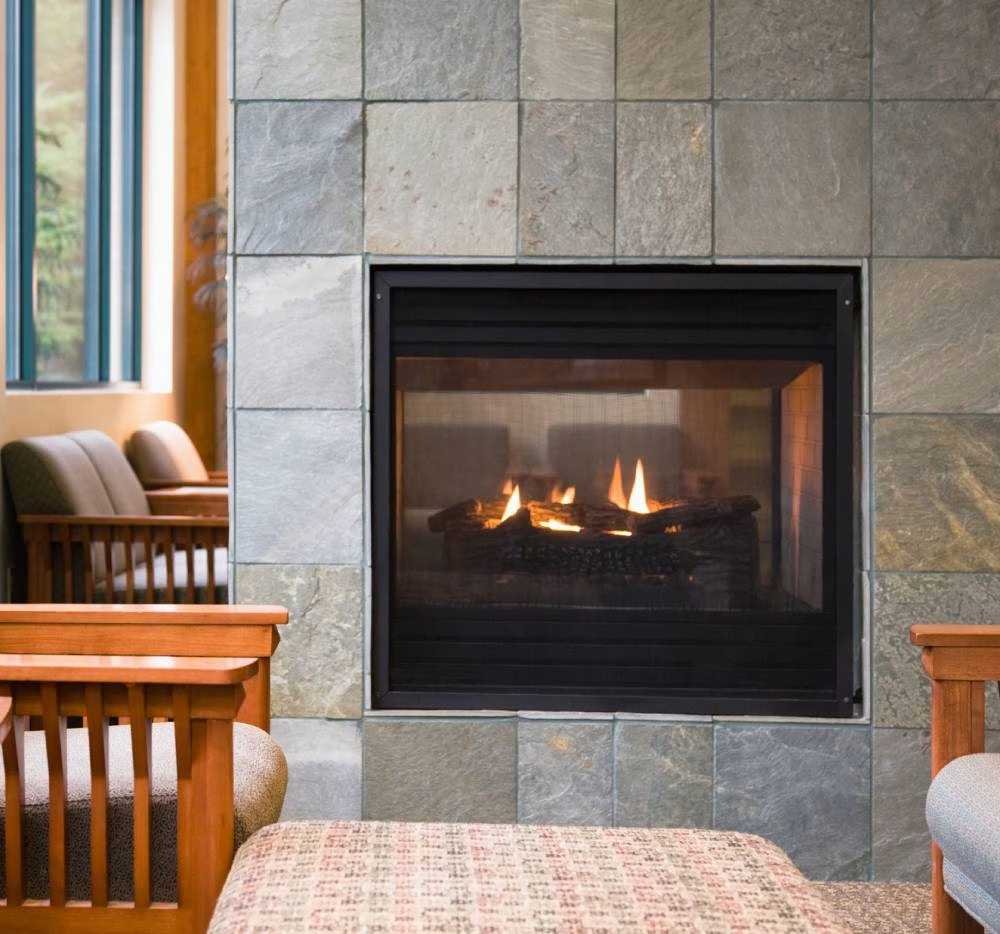
Wood-burning inserts are designed to fit into existing fireplace openings and provide a more enclosed heating appliance than an open fireplace.
Before installing a wood insert, the chimney should be evaluated for proper condition and compatibility. The venting arrangement must be suitable for the appliance, and a properly configured liner may be required depending on the installation.
Installation also involves positioning the appliance correctly, connecting the chimney venting, maintaining manufacturer-required clearances, and fitting the surrounding components.
Because combustion gases must be safely carried through the chimney, the insert and venting system need to be treated as a complete installation.
Gas Fireplace Insert Installation
Gas inserts can provide another option for homeowners looking for a convenient fireplace upgrade. These appliances have specific requirements for gas connections, venting, clearances, and operation.
The existing fireplace must be suitable for the selected gas insert, and the venting configuration must follow the appliance manufacturer’s specifications.
Gas connections should be handled by appropriately qualified professionals. After installation, the system should be checked to ensure the appliance operates correctly and the venting arrangement is functioning as intended.
Chimney Liner and Venting Requirements
The chimney plays an important role in many fireplace insert installations. An insert cannot simply be placed inside an old fireplace without considering how combustion gases will travel through the chimney.
Depending on the appliance and existing chimney, a liner or other approved venting components may be necessary. The size and configuration should correspond to the requirements of the specific insert.
A chimney that appears usable from the outside may still have interior deterioration or other conditions that affect its suitability. Checking the venting system before installation can help prevent problems later.
Preparing the Fireplace Opening
The fireplace opening may require preparation before the insert can be positioned. Existing debris, damaged materials, or components that interfere with the installation may need to be addressed.
The hearth and surrounding area should also be checked for proper clearances. Combustible materials near the fireplace need to remain within the limits specified for the appliance.
Proper preparation creates a suitable foundation for the insert and helps the finished installation look integrated with the existing fireplace.
What to Expect During Installation
Once the fireplace and chimney have been evaluated and the appropriate appliance has been selected, the installation can be planned around the specific characteristics of the home.
The process may include preparing the fireplace opening, positioning the insert, connecting approved venting components, completing required connections, installing the surround, and checking the finished system.
The exact steps vary according to the type and model of insert. Manufacturer instructions should guide the installation rather than relying on a one-size-fits-all approach.
Fireplace Insert Safety and Maintenance
A newly installed insert still requires regular care. Wood-burning appliances can produce ash and creosote, while gas appliances have burners, controls, connections, and venting components that need periodic attention.
Homeowners should operate the insert according to the manufacturer’s instructions and arrange appropriate inspection and maintenance when required.
The chimney and venting system should also remain part of the maintenance routine. Changes in draft, unusual odors, visible damage, smoke problems, or other unusual behavior should be investigated rather than ignored.
Upgrade Your Fireplace in Easley, South Carolina
A fireplace insert can give an existing fireplace a new purpose while creating a more finished and functional heating area. The success of the project depends on choosing an appropriate appliance and installing it correctly within the existing fireplace and chimney system.
Fire Aid Chimney Services provides fireplace insert installation in Easley, South Carolina, with attention to fireplace condition, appliance compatibility, venting, clearances, and installation requirements. Whether you are replacing an outdated insert or upgrading an existing fireplace, a professional evaluation can help determine the right approach for your home.
What Shapes the Price in Easley South Carolina
Installation costs vary based on the insert and the existing fireplace.
Insert model and size. Basic noncatalytic inserts cost less. High-efficiency catalytic inserts cost more but burn cleaner and use less wood.
Liner requirements. A stainless steel liner is required. The cost depends on the chimney height, liner diameter, and whether insulation is added. If the chimney needs repair before the liner goes in, that adds to the scope.
Hearth modifications. If the existing hearth does not meet clearance requirements, it may need to be extended or replaced with a noncombustible surface.
Access and chimney condition. A chimney that is easy to access and in good condition costs less to line. Damaged crowns, flashing, or masonry add to the project.
Permits. Easley South Carolina County mechanical permit fees start at $72. Some jurisdictions charge more for larger projects.
Labor. Installation labor depends on the complexity of the job, including liner routing and connection work.
We provide estimates based on what we see at the property. Phone quotes cannot account for the specific conditions of your fireplace and chimney.
What to Ask Before Hiring Anyone in Easley South Carolina
Before you hire anyone for insert installation, ask:
-
Will the installation include a stainless steel liner?
-
How will you verify the insert is EPA-certified?
-
What clearances are required for my insert, and how will you achieve them?
-
Will you pull the permit and schedule inspections?
-
Will I receive documentation for my insurance company?
-
Are you insured for property damage and liability?
A qualified installer will answer these questions directly.
Why Easley South Carolina Homeowners Contact Fire Aid
Fire Aid Chimney Services serves Easley South Carolina and surrounding Upstate communities with fireplace insert installation, chimney inspection, chimney repair, and related services. If you are considering a fireplace insert, contact us to discuss the project and schedule an estimate.
FAQs About Fireplace Insert Installation in Easley South Carolina
What is the difference between a fireplace insert and a wood stove?
An insert fits inside an existing masonry fireplace and uses the existing chimney. A freestanding wood stove sits in the room and connects to its own flue. Both are efficient, but the installation and placement are different.
Does a fireplace insert need a liner?
Yes. A stainless steel liner is required for proper draft and safe operation. The existing clay tile flue is usually too large for an insert, which causes poor performance and creosote buildup. The liner is not optional.
How much does fireplace insert installation cost?
Costs vary based on the insert model, liner requirements, and chimney condition. The liner is a significant part of the total. Contact us to discuss pricing for your situation.
Do I need a permit for a fireplace insert in Easley South Carolina?
Yes. Easley South Carolina County requires a mechanical permit for wood insert installation. The permit fee starts at $72. Your installer should pull the permit and schedule inspections.
Can I install a fireplace insert myself?
South Carolina code does not explicitly prohibit DIY installation, but the risks are significant. Improper liner installation, clearances, and venting can cause fires or carbon monoxide poisoning. Professional installation is recommended for safety and insurance coverage.
Will a fireplace insert increase my insurance?
Possibly. Some insurers require proof of professional installation or a post-installation inspection. Check with your insurance company before installation.
How long does fireplace insert installation take?
A straightforward installation typically takes one to two days, depending on the chimney height, liner routing, and any hearth modifications needed.
Areas We Serve
Fire Aid Chimney Services provides fireplace insert installation throughout Upstate South Carolina, including:
Other Services We Offer in Easley South Carolina
Fireplace insert installation is one part of what we do. We also handle chimney inspection, chimney sweep, chimney cleaning, chimney repair, masonry chimney repair, chimney rebuild, fireplace inspection, gas fireplace service, gas fireplace repair, chimney waterproofing, chimney cap installation, wood stove installation, and chimney leak repair.