What System Do I Have?
Not Sure What Type of Fireplace You Have?
Every Fireplace Is a Little Different.
Some are built into the structure of your home. Others are manufactured appliances with specific venting systems, installation requirements, and maintenance needs.
Use the photos and descriptions below to help identify your system. If you’re still unsure, Zen can help you determine what you have and what type of service it may need.
Fireplace Systems
Masonry Fireplaces
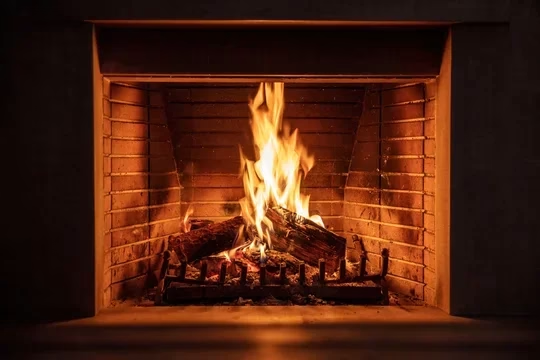
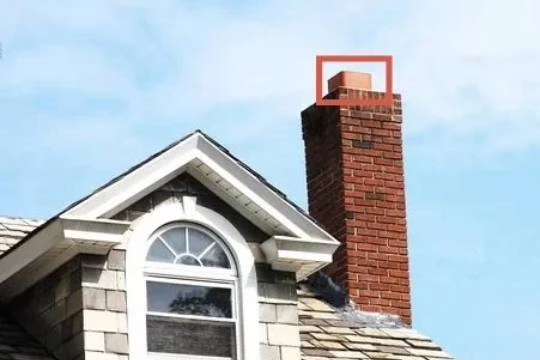
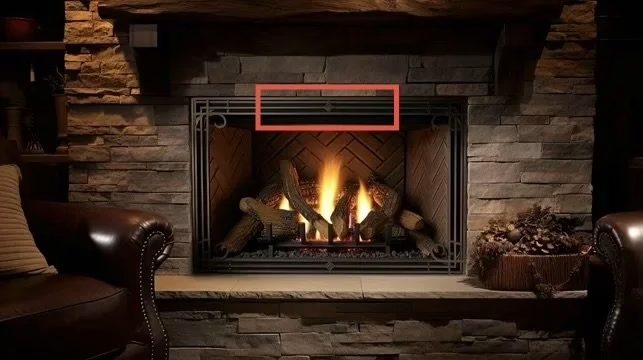
Traditional fireplaces built from masonry materials such as brick and firebrick.
These fireplaces commonly have a rectangular metal damper above the firebox and vent through a masonry chimney lined with square or rectangular clay flue tiles. Although they may look similar from inside the home, masonry fireplaces are constructed differently from factory-built systems.
Factory-Built Fireplaces
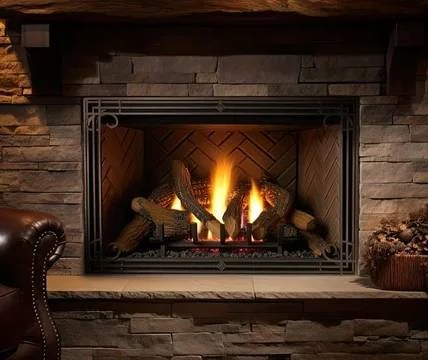
Factory-built fireplaces are manufactured systems with metal interior and exterior shells. Many have refractory panels that resemble masonry along the back and sides of the firebox.
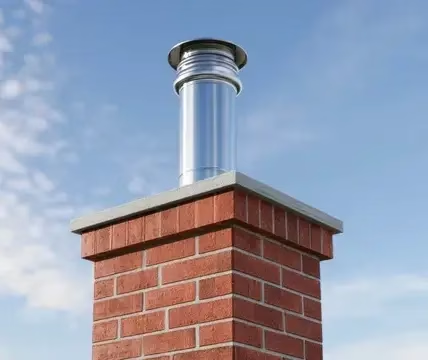
They typically use a metal chimney system designed specifically for the fireplace. The chimney may be enclosed within a framed structure, called a chase, finished with siding, brick, or another exterior material. Each system has its own installation and clearance requirements established by the manufacturer.
Direct-Vent Gas Fireplaces
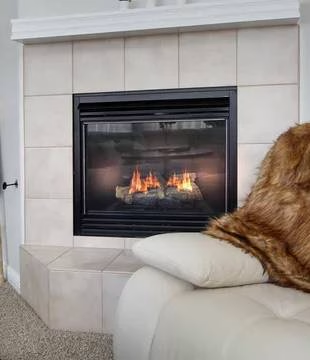
Direct-vent fireplaces are gas-burning appliances with a sealed combustion chamber, typically visible through a glass front.
These systems use dedicated venting to bring combustion air into the appliance and carry exhaust outdoors. Depending on the system, the vent may run vertically through the roof or horizontally through an exterior wall.
Some direct-vent fireplaces also have battery backup capabilities for use during a power outage. The specific features and operating instructions depend on the manufacturer and model.
Vent-Free Fireboxes
Vent-free fireboxes are designed for compatible gas-burning appliances that do not use a chimney or vent to exhaust combustion products outdoors.
Unlike a traditional vented fireplace, a vent-free firebox does not have a chimney opening or damper above the firebox.
These systems have specific installation, ventilation, and operating requirements. Consult the manufacturer’s instructions and have a qualified professional identify your system if you’re unsure what you have.
Heating Appliances
Freestanding Wood Stoves
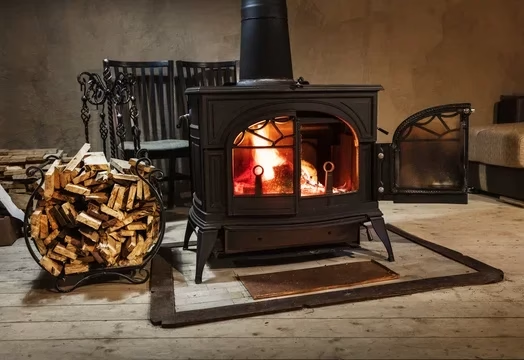
Freestanding wood stoves are heating appliances designed to burn wood logs. They come in different styles, including catalytic and non-catalytic models.
Unlike traditional open fireplaces, these appliances have their own venting and installation requirements. The stove, chimney connection, and surrounding materials must meet the manufacturer’s specifications.
Fireplace Inserts
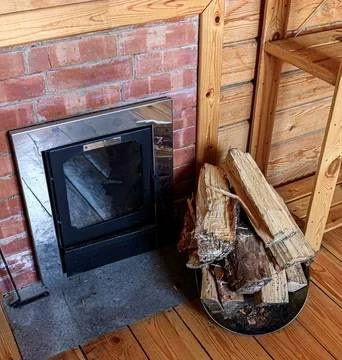
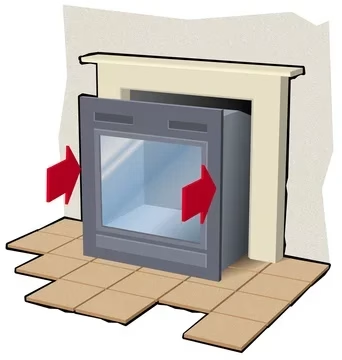
Fireplace inserts are appliances designed to be installed within an existing fireplace opening.
Wood-burning inserts and direct-vent gas inserts have different operating and venting requirements. Both use venting systems designed for their specific appliance.
An insert can change how an existing fireplace functions, so identifying the appliance and its venting arrangement is important when considering service or maintenance.
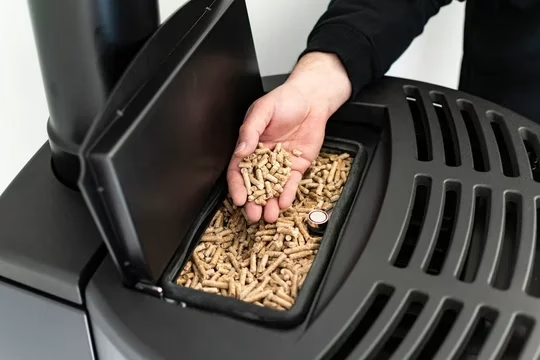
Pellet Stoves
Pellet stoves are heating appliances that burn manufactured fuel pellets rather than traditional wood logs or gas.
These appliances have their own operating, maintenance, and venting requirements.
Note: Fire Aid Chimney Services does not service or sweep pellet stoves.
Vent-Free Gas Heaters
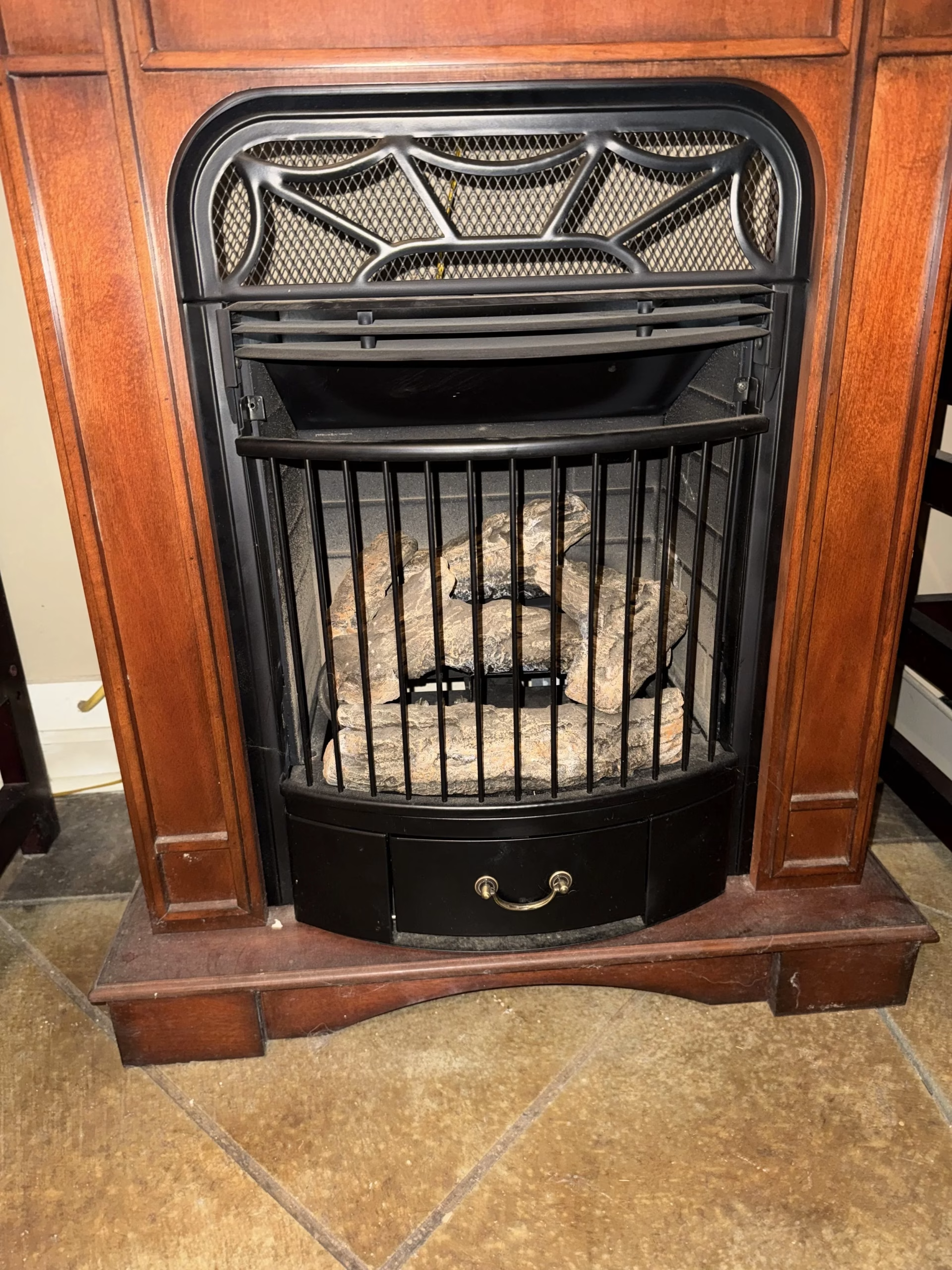
Vent-free gas heaters are standalone appliances connected to a gas supply. They are designed to operate without a chimney or vent that exhausts combustion products outdoors.
Because these appliances operate differently from vented systems, it is especially important to follow the manufacturer’s installation, ventilation, and operating instructions.
Still Not Sure What You Have?
Whether you have questions about your existing system, need an inspection, or are considering an upgrade, Zen can help you identify your equipment and understand your options.