Fire Aid Chimney Services
Chimney Inspection
Chimney Inspection Services
A chimney that looks fine from the outside can have problems you cannot see. Creosote builds up inside the flue. Mortar joints crack. Animal nests block the airway. Water gets behind the flashing and rots the framing. None of it is visible from the living room or the driveway. Chimney inspection is the process of looking inside the system to find problems before they become fires, carbon monoxide leaks, or expensive repairs. FireAid Chimney Services provides chimney inspections for homeowners in Greenville and surrounding Upstate communities who want their fireplaces and chimneys verified safe. In addition, we handle chimney sweep, chimney cleaning, chimney repair, chimney waterproofing, and chimney cap installation.
Why Annual Chimney Inspections Matter
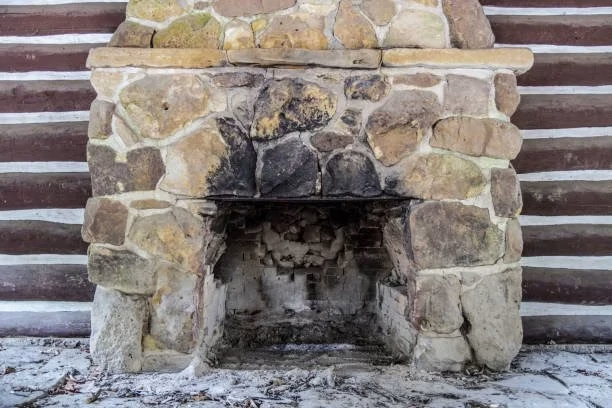
The National Fire Protection Association (NFPA) recommends that all chimneys, fireplaces, and venting systems be inspected at least once a year . This applies even if you rarely use the fireplace.
A system that sat unused all summer can still become unsafe. Animals build nests in flues during warm months. Caps loosen. Masonry crowns crack. Water damages liners and framing. None of these problems announce themselves with a smoke smell or a visible leak .
For wood-burning fireplaces and stoves, annual inspection is especially important because creosote is a fire fuel. It accumulates every time you burn wood, and it can ignite if it builds up enough . Gas fireplaces burn cleaner, but they still rely on venting components, seals, and combustion air pathways that can fail .
What a Chimney Inspection Checks
A chimney inspection covers the components that matter for safe operation. Depending on the level, an inspector will check:
-
Creosote buildup. Creosote is a flammable by-product of burning wood. Stage 3 creosote is glazed and tar-like, and it is the most dangerous to have in a flue .
-
Blockages. Animal nests, leaves, and debris can block the flue and force smoke or carbon monoxide back into the home .
-
Structural soundness. Cracks in bricks, mortar, or the chimney crown can weaken the structure and allow water in .
-
Flue liner condition. The liner protects the chimney from heat. Cracks or deterioration need to be found before they cause a fire or carbon monoxide leak .
-
Component checks. The smoke chamber, damper, chimney cap, and flashing all get examined to make sure they work properly .
-
Moisture intrusion. Water stains, rust, or mold indicate leaks that need repair .
The Three Levels of Chimney Inspection
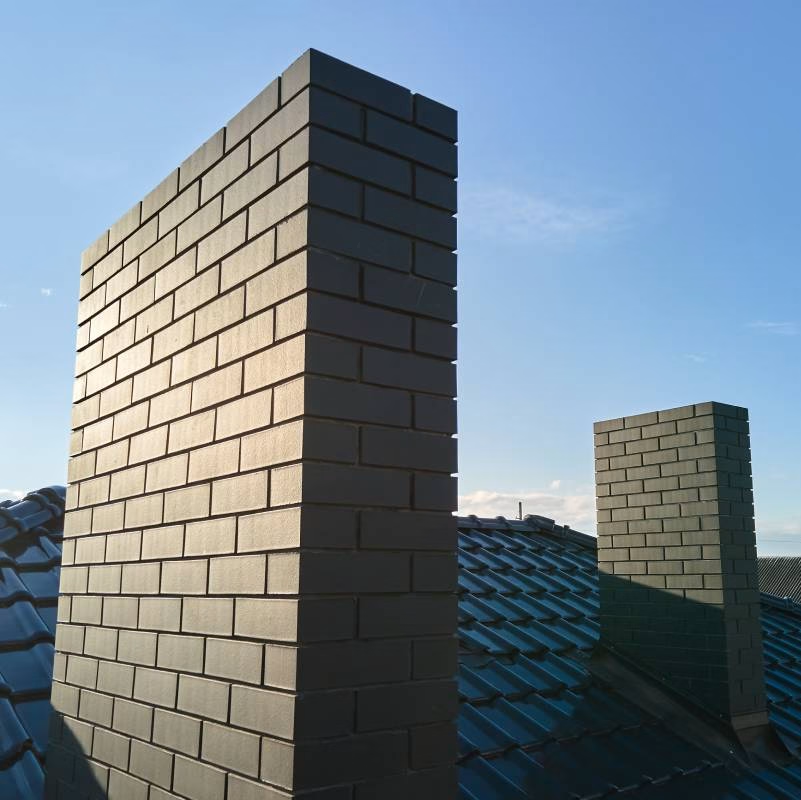
NFPA 211 defines three levels of chimney inspection. The right level depends on your situation and the history of the system .
Level 1 Inspection
This is the basic annual inspection. It covers all accessible parts of the firebox, damper, and the visible portions of the chimney. A Level 1 inspection is appropriate when you have been using the fireplace regularly, nothing has changed with the system, and you are maintaining your annual schedule .
Level 2 Inspection
A Level 2 inspection includes everything in Level 1 plus a more thorough examination. It uses video camera equipment to scan the full flue interior from the firebox to the chimney cap. It also checks accessible areas of the attic, crawl space, and basement around the chimney .
A Level 2 inspection is the standard when:
-
You are buying or selling a home
-
The system has changed (new appliance, relining, etc.)
-
You have had a chimney fire
-
You suspect a problem that a Level 1 cannot find
Level 3 Inspection
Level 3 is the most invasive. It is reserved for situations where a serious problem is suspected but cannot be accessed with Level 1 or 2 methods. It may involve removing parts of the chimney or surrounding walls to see inside .
Warning Signs You Should Not Wait to Schedule an Inspection
Don’t wait for your annual appointment if you notice any of these:
-
Smoke entering the room. This means the flue is blocked or the draft is failing .
-
Strong or unusual odors. A bad smell from the fireplace can indicate a nest, stagnant water, or creosote buildup .
-
Visible cracks or damage in the firebox. Cracked bricks or loose mortar inside the firebox need immediate attention .
-
Water leaks or rust. Stains on the chimney or around the fireplace mean water is getting in .
-
Animal noises in the flue. Birds and animals nest in chimneys, and their nests block airflow .
-
Evidence of a chimney fire. Loud rumbling, extreme heat, or cracked flue materials are signs a fire has already occurred .
-
Gas smells. For gas fireplaces, any gas odor requires immediate attention .
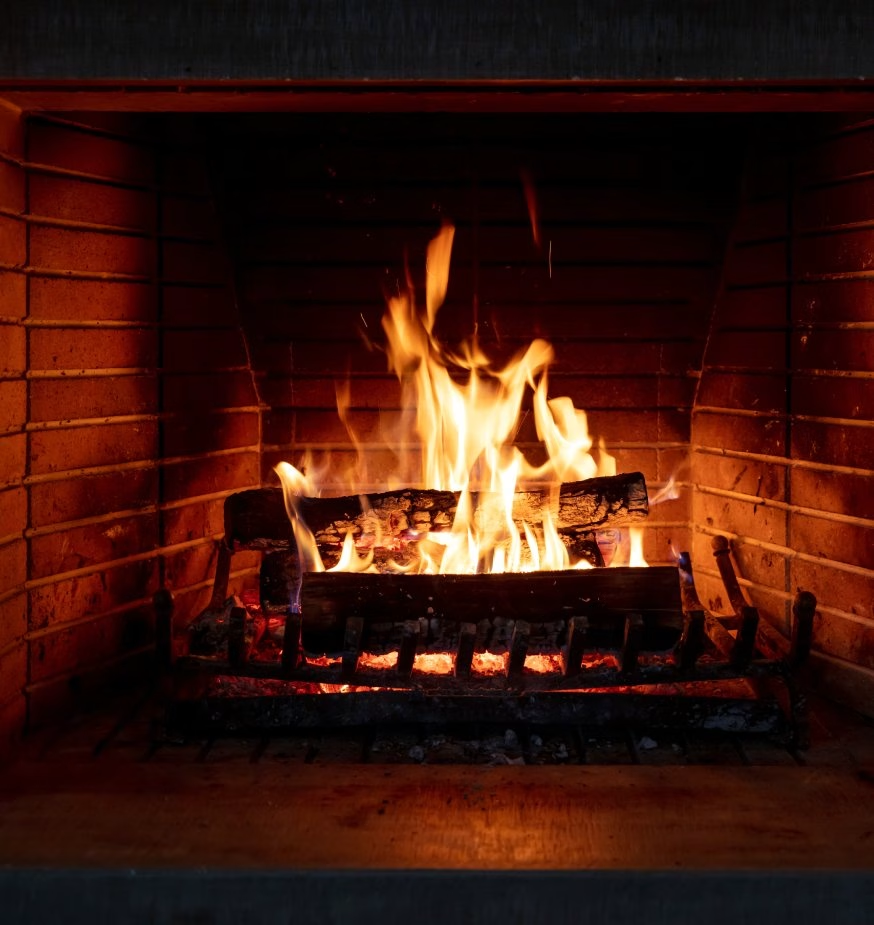
Greenville Housing and Chimney Inspections
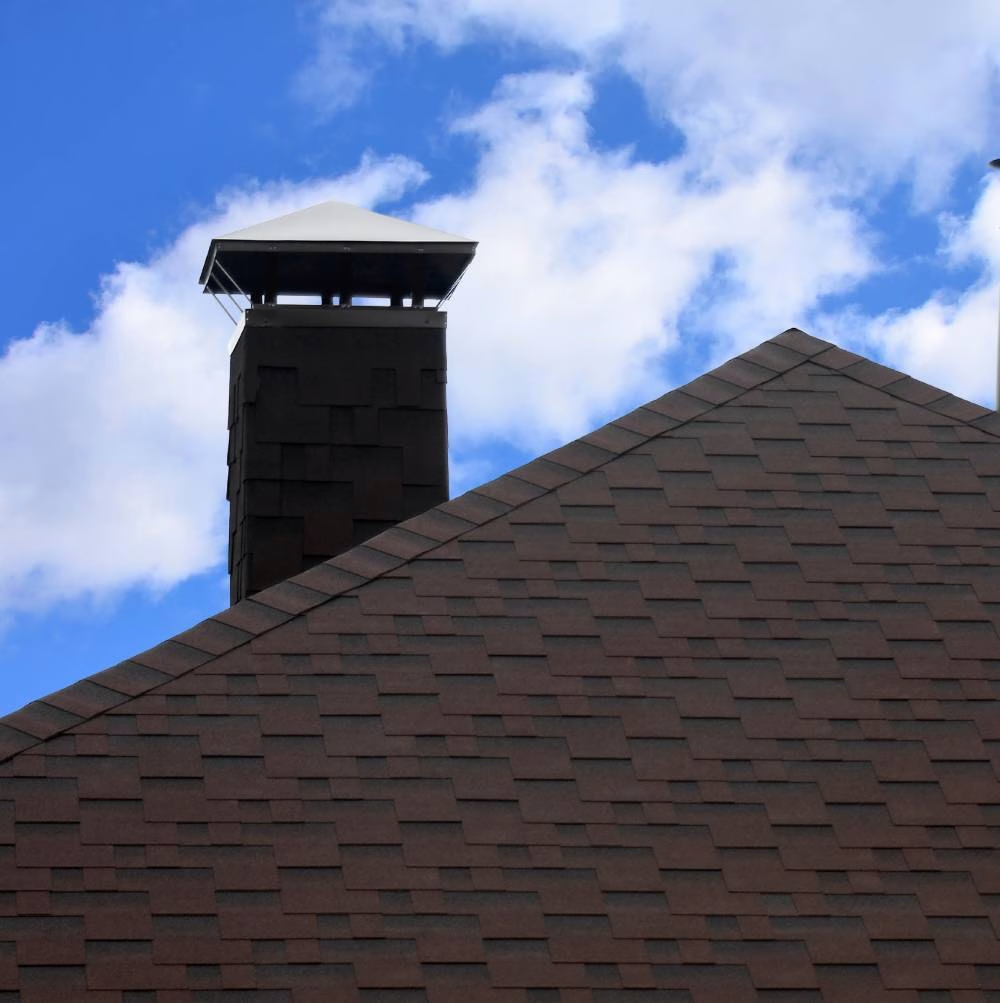
Greenville’s housing stock spans nearly a century of construction. Different eras built chimneys differently, used different materials, and created different maintenance challenges.
Homes from the 1920s to 1950s often have original masonry chimneys with clay tile liners. These systems can have mortar joint deterioration and cracked tiles that only a camera inspection reveals. Homes from the 1970s may have prefabricated fireplaces with refractory panels that crack and need replacement. Newer homes with direct-vent gas fireplaces still need inspection of venting components, burner performance, and exterior terminations .
An inspector who works in Greenville regularly knows what to look for in each type of system.
What Happens During a Chimney Inspection
A professional chimney inspection follows a defined process.
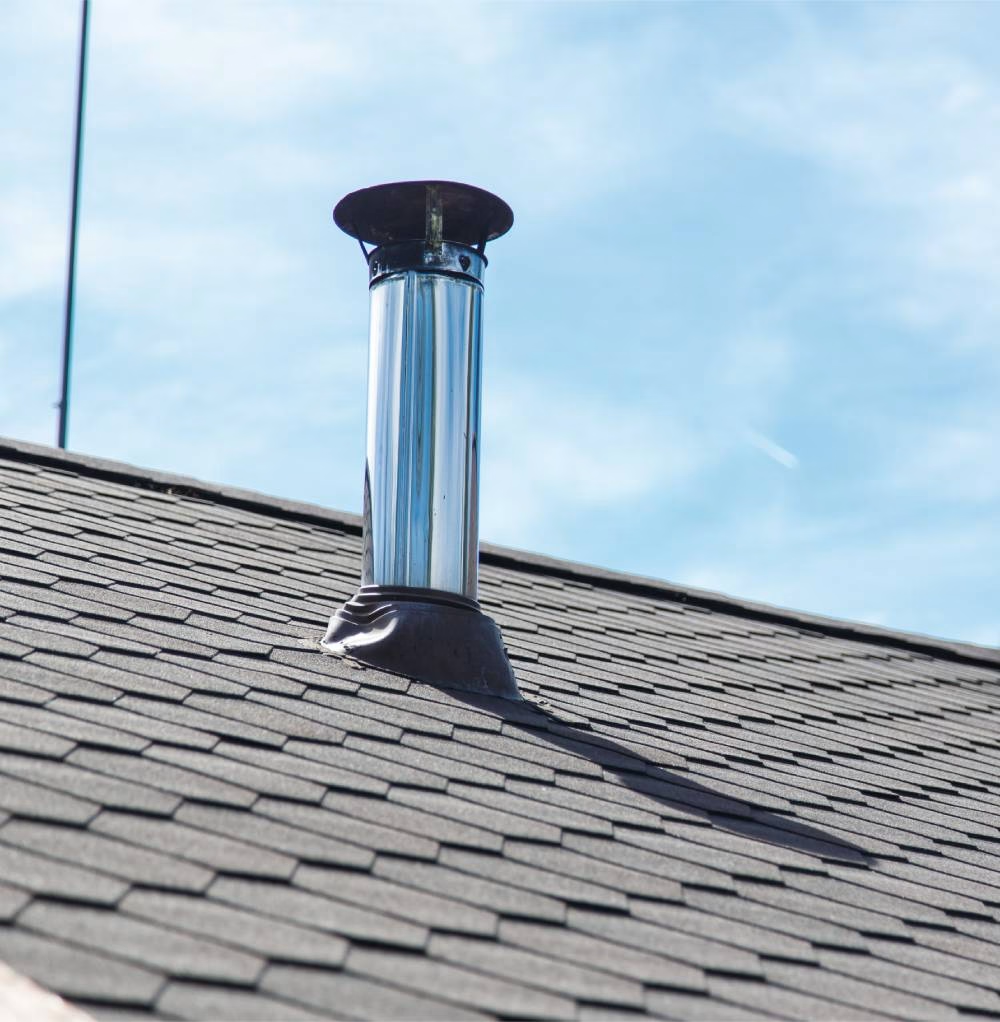
Exterior survey. The inspector starts outside, checking the roofline, chimney cap, crown, mortar joints, flashing, and visible masonry. This establishes the top-down condition of the system .
Interior examination. Inside the home, the inspector examines the firebox, damper, smoke chamber, and accessible portions of the flue. Drop cloths go down before anything is opened.
Camera scan (Level 2). For a Level 2 inspection, a high-definition camera is run through the flue to capture the full interior. The inspector reviews the footage with you and documents any cracks, deterioration, or blockages .
Written report. Every inspection produces a written findings document. It lists what was found, where it was found, and what the options are. You keep the report regardless of whether you proceed with any recommended repairs .
Questions to Ask Before Hiring a Chimney Inspector
Before you hire anyone for a chimney inspection, ask:
-
Are you CSIA certified?
-
Will I receive a written inspection report?
-
Do you perform camera inspections of the flue?
-
What level of inspection do I need for my situation?
-
Are you insured for property damage and liability?
-
What is the cost of the inspection, and are there additional fees?
A qualified chimney inspector will answer these questions directly.
Chimney Inspection and Chimney Cleaning Are Different
An inspection and a chimney cleaning serve different purposes.
Chimney cleaning focuses on removing soot, creosote, ash, and debris that have accumulated inside the system.
Chimney inspection focuses on evaluating the physical condition and operation of the chimney and its components.
A chimney may need an inspection even when it does not require extensive cleaning. Likewise, cleaning does not automatically identify every structural or hidden problem.
For this reason, both services can play an important role in maintaining a fireplace and chimney system.
Inspecting Wood-Burning and Gas Fireplaces
Wood-burning fireplaces can develop soot and creosote deposits that need to be evaluated as part of chimney maintenance. Their masonry, flue liner, damper, and other components can also develop wear over time.
Gas fireplaces have different combustion characteristics, but they still depend on properly functioning venting components, seals, and combustion-air pathways.
Regardless of the fuel type, changes in fireplace operation, unusual odors, damaged components, or other concerns can justify professional evaluation.
Why Professional Chimney Inspection Matters
Some chimney problems are located in areas that homeowners cannot safely or easily access. A flashlight inspection from the fireplace opening cannot provide the same information as a systematic examination of the chimney system.
Professional inspection methods can help evaluate both visible and less accessible areas depending on the inspection level required.
Identifying a concern does not necessarily mean that extensive repair is needed. The purpose of an inspection is to understand the actual condition of the system so maintenance decisions can be based on what is found.
Professional Chimney Inspection Services
Fire Aid Chimney Services provides chimney inspection services for homeowners who want to understand the condition of their fireplace and chimney system. Inspections can help identify concerns involving the flue, masonry, liner, damper, chimney cap, crown, flashing, moisture intrusion, and possible obstructions.
Whether you need a routine chimney evaluation, are purchasing a home with a fireplace, have noticed changes in fireplace performance, or suspect damage, a professional chimney inspection can provide valuable information about the system before you decide on any necessary maintenance or repairs.
FAQs About Chimney Inspection
How often should a chimney be inspected?
The NFPA recommends annual inspections for all chimneys and venting systems, even if the fireplace is rarely used .
What is the difference between a chimney sweep and a chimney inspection?
A sweep cleans the chimney. An inspection evaluates the condition of the system for safety and function. A chimney may need inspection even when it does not need sweeping, and it may need repair even after it is cleaned .
How long does a chimney inspection take?
A Level 1 inspection typically takes 30 to 60 minutes. A Level 2 inspection with camera scan takes one to two hours. Level 3 inspections vary based on how much access is needed .
Do I need a chimney inspection if I have a gas fireplace?
Yes. Gas fireplaces still rely on venting components, seals, and combustion pathways that can fail. Annual inspection is recommended for all fuel types .
What does a chimney inspection cost?
Inspection costs vary based on the level needed and the specific system. Contact us to discuss pricing for your situation.
Can you inspect a chimney before I buy a house?
Yes. A Level 2 inspection is the standard for real estate transactions. The written report can be used in purchase negotiations .
What happens if the inspection finds a problem?
The inspector documents the finding and explains your options. If repair is needed, you receive a separate written price before any work begins .
Areas We Serve
FireAid Chimney Services provides chimney inspection throughout Upstate South Carolina, including:
Other Services We Offer
Chimney inspection is one part of what we do. We also handle chimney sweep, chimney cleaning, chimney repair, fireplace inspection, gas fireplace service, chimney waterproofing, chimney cap installation, masonry chimney repair, chimney rebuild, and chimney leak repair.