Fire Aid Chimney Services
Chimney Waterproofing
Gas Fireplace Repair Services
A gas fireplace that will not light is more than an inconvenience. It is a sign that something in the system has failed. The igniter may be dead. The pilot assembly may be clogged. A safety switch may have tripped. Or the gas valve may not be opening. None of these problems fix themselves, and some of them create safety risks if ignored. Gas fireplace repair is the process of diagnosing what has failed and restoring the unit to safe, reliable operation.
Fire Aid Chimney Services provides gas fireplace repair for homeowners in Greenville and surrounding Upstate communities who need their gas fireplaces working again. In addition, we handle chimney inspection, chimney sweep, chimney cleaning, chimney repair, fireplace inspection, gas fireplace service, and chimney waterproofing.
What Gas Fireplace Repair Covers
Gas fireplace repair is reactive. It happens when something has already failed. The most common repair needs include:
-
Ignition failure. Electronic igniters, pilot assemblies, and thermocouples all wear out over time. When they fail, the fireplace will not light, or it lights and then shuts off.
-
Burner problems. Blocked burner ports, damaged burners, and incorrect gas pressure cause uneven flames, weak flames, or flames that lift off the burner.
-
Gas valve issues. The gas valve controls fuel flow to the burner. A stuck or failed valve can prevent the fireplace from lighting or cause it to stay lit when it should shut off.
-
Remote and control failures. Wall switches, remotes, thermostats, and control boards can fail. When they do, the fireplace stops responding to commands.
-
Fan and blower issues. Many gas fireplaces use fans to circulate heat. Worn bearings or failed motors cause noise or loss of airflow.
-
Damaged gas logs. Ceramic logs crack and flake. Replacement logs restore proper flame appearance and combustion.
-
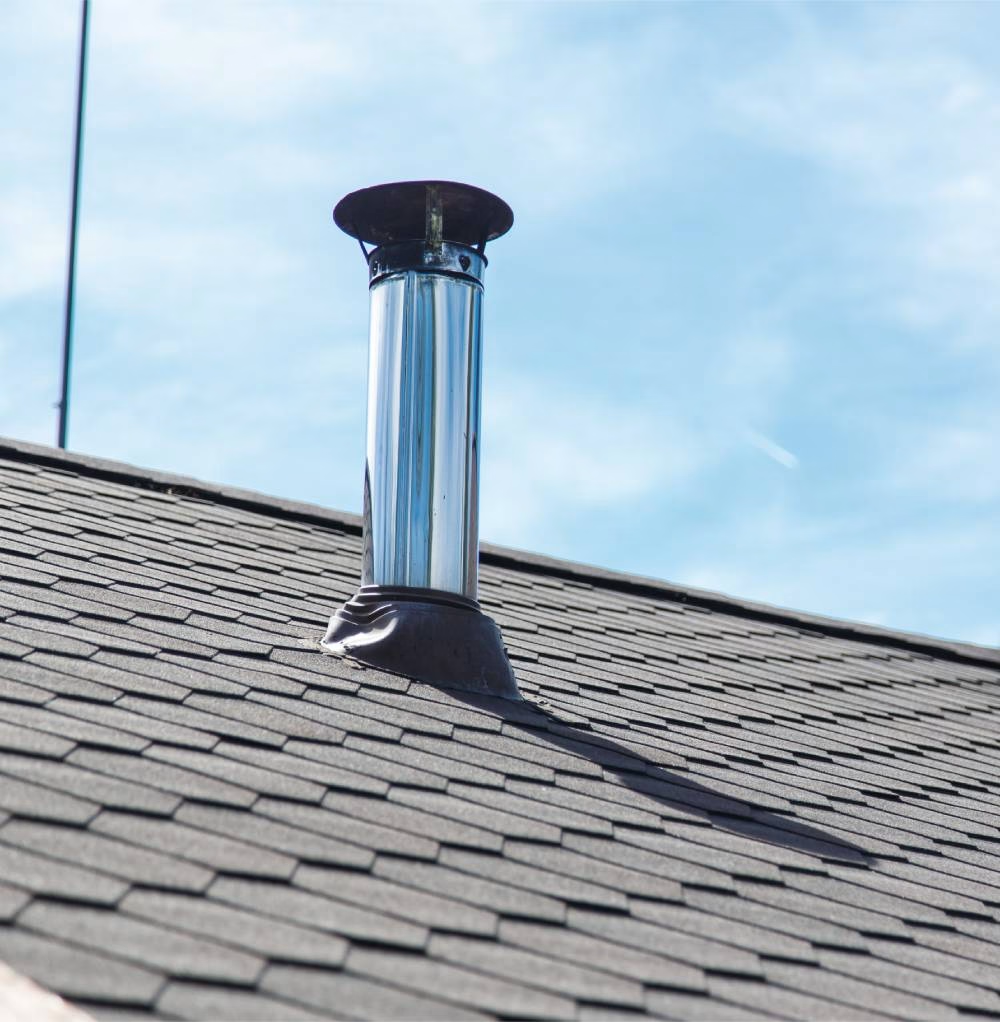
Vent and termination problems. Loose vent connections, damaged terminations, and blocked venting need repair to keep combustion byproducts out of the home.
Gas Fireplace Repair vs. Routine Service
The two services serve different purposes.
Repair is reactive. It happens when something has already failed — the fireplace will not light, the flame looks wrong, or a component needs to be replaced.
Service is preventive. It happens on a schedule (annually), whether the fireplace is working or not. The goal is to keep the system running safely and catch small problems before they become big ones.
Many repair calls uncover issues that annual service would have caught earlier. If you are not already on an annual service schedule, ask about it when the repair is complete. For more on routine maintenance, see our gas fireplace service page.
Common Signs of Chimney Water Damage
Recognizing moisture-related problems early can help prevent more extensive deterioration. Some common signs include:
- Cracked or deteriorating mortar joints
- Bricks that are flaking, cracking, or spalling
- White mineral staining on the masonry
- Water stains around the fireplace or chimney area
- Dampness near the chimney after rainfall
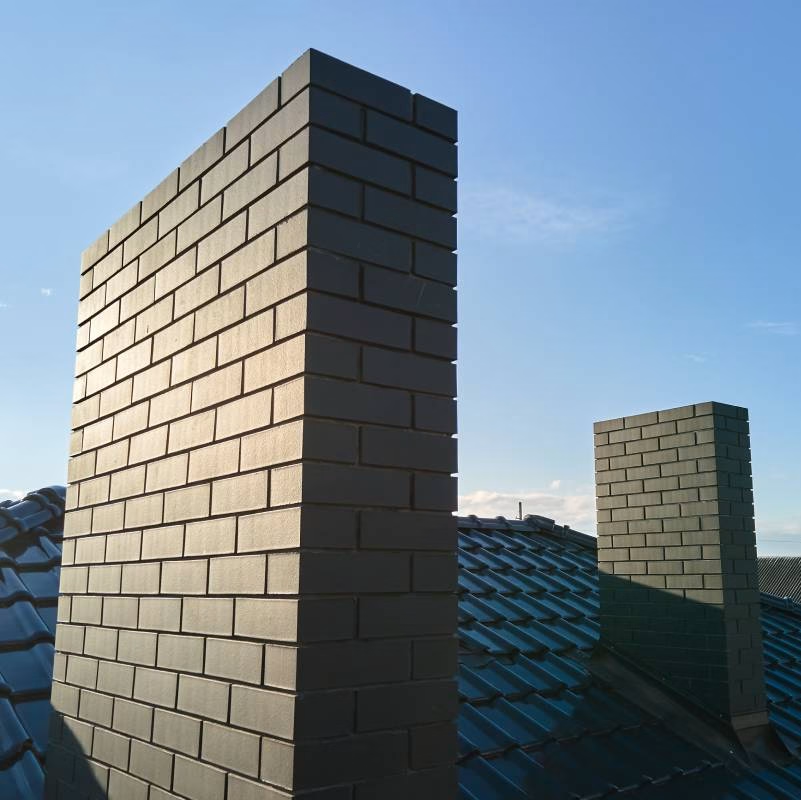
- Cracks in the chimney crown
- Damaged or deteriorated flashing
- Recurring moisture problems despite previous repairs
- Masonry that appears darker or consistently damp after rain
These symptoms do not always mean waterproofing alone is the solution. Existing cracks, damaged flashing, crown deterioration, or other sources of water intrusion may need to be addressed before a protective treatment is applied.
How Chimney Waterproofing Protects Masonry
Chimney waterproofing treatments are designed specifically for masonry applications. The goal is to reduce the amount of rainwater that can penetrate porous chimney materials while allowing the structure to breathe.
This distinction is important. A chimney should not simply be sealed with a coating that traps moisture inside the masonry. Proper chimney waterproofing should provide water resistance while allowing water vapor to move through the material.
When appropriately applied to suitable masonry, a waterproofing treatment can help reduce the effects of repeated moisture exposure and provide additional protection for the chimney exterior.
Chimney Waterproofing vs. Chimney Repair
Waterproofing and repair serve different purposes.
Chimney repair addresses existing damage such as cracked bricks, deteriorated mortar, damaged crowns, or defective flashing.
Chimney waterproofing focuses on protecting suitable masonry from future moisture penetration.
If a chimney already has significant cracks, loose bricks, failing mortar, or active leaks, those problems should be evaluated first. Applying a waterproofing product over damaged areas does not replace necessary structural repairs.
A professional assessment can determine whether the chimney is ready for waterproofing or whether repairs should be completed beforehand.
Areas That May Contribute to Chimney Leaks
Water can enter a chimney through several different areas. The masonry itself is only one part of the system.
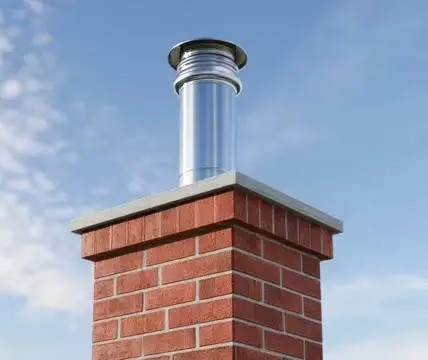
Chimney Crown
The crown sits at the top of the chimney and helps direct rainwater away from the masonry. Cracks or deterioration can allow water to enter the structure.
Masonry and Mortar
Porous bricks and deteriorating mortar joints can absorb water during rainfall. Over time, repeated exposure may contribute to masonry damage.
Flashing
Flashing creates a transition between the chimney and roof. When it becomes loose, damaged, or improperly sealed, water may enter around the base of the chimney.
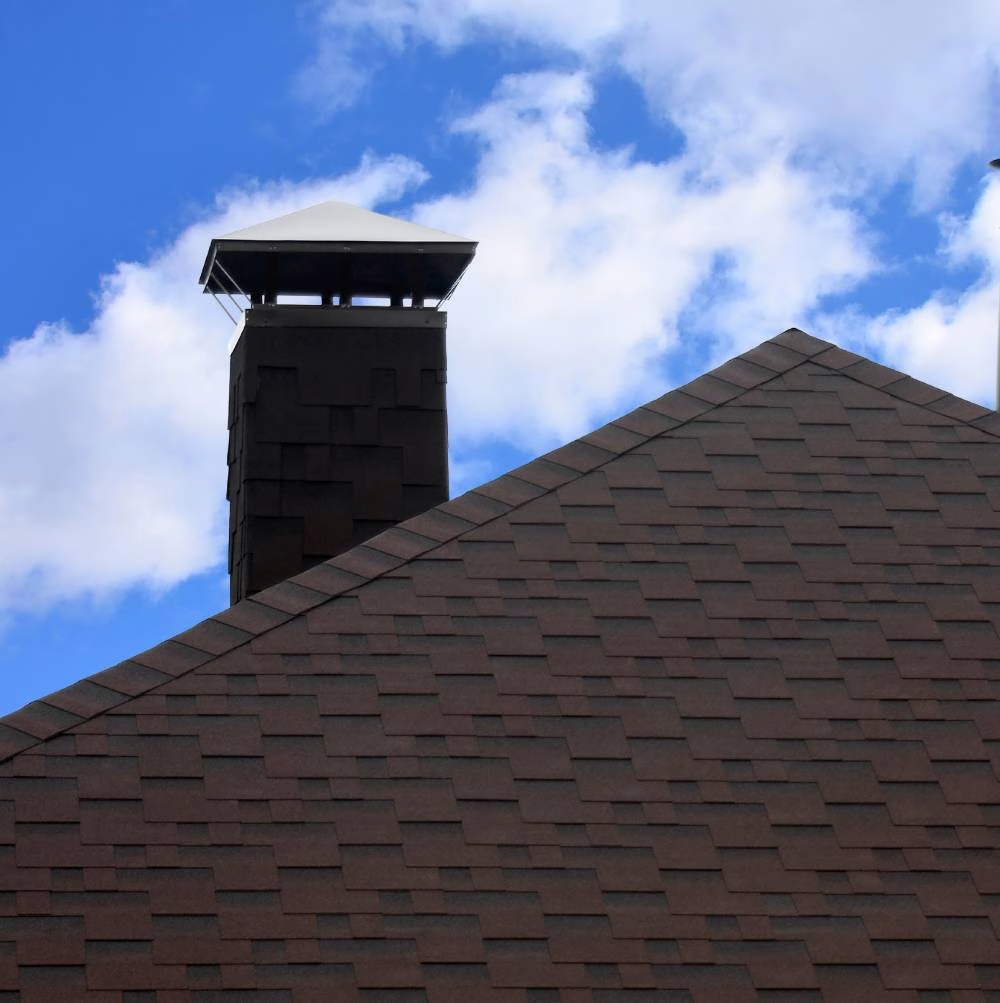
Chimney Cap
A chimney cap helps protect the opening from rain and outdoor debris. A damaged or missing cap can expose the interior of the chimney to additional moisture.
Because these components work together, identifying the actual source of water intrusion is an important part of chimney maintenance.
What Happens During a Gas Fireplace Repair Appointment
A professional gas fireplace repair follows a defined sequence.
Diagnosis. The technician examines the fireplace, tests the ignition system, checks the gas pressure, and inspects the burner and logs. The goal is to identify the specific component that has failed.
Repair estimate. Once the problem is identified, the technician explains what needs to be done and provides a written estimate before any work begins.
Repair work. The technician replaces or repairs the failed component. This may involve replacing an igniter, cleaning or replacing a pilot assembly, repairing a gas valve, replacing logs, or fixing venting connections.
Function test. After the repair, the fireplace gets turned on and observed for proper ignition, flame appearance, and shut-off.
Report and recommendations. The technician documents what was done and any recommendations for future service or repair.
What Affects the Cost of Gas Fireplace Repair
Gas fireplace repair costs vary widely based on the type of failure and the parts involved.
Type of failure. Replacing an igniter costs less than replacing a gas valve or control board. Diagnostic time is built into the total.
Part availability. Common parts are readily available. Older or discontinued units may require special ordering, which adds time and cost.
Fireplace type. Direct-vent, vented, vent-free, and insert units have different components and repair requirements.
Fuel type. Natural gas and propane systems have different components and connection methods.
Access. Fireplaces that are easy to reach cost less to repair than those behind built-in cabinetry or in tight spaces.
Additional findings. If repair uncovers a separate issue that needs service, that is quoted separately. For more on routine maintenance, see our gas fireplace service page.
We provide estimates based on what we see at the property. Phone quotes cannot accurately diagnose a gas fireplace problem.
Questions to Ask Before Hiring a Gas Fireplace Repair Service
Before you hire anyone for gas fireplace repair, ask:
-
Are you NFI Gas certified?
-
Will I receive a written diagnosis and estimate before work begins?
-
Do you service both natural gas and propane fireplaces?
-
Do you carry common replacement parts, or will they need to be ordered?
-
Are you insured for property damage and liability?
-
What is the diagnostic fee, and does it apply to the repair if I proceed?
A qualified gas fireplace technician will answer these questions directly.
Why Greenville Homeowners Contact Fire Aid
Fire Aid Chimney Services serves Greenville and surrounding Upstate communities with gas fireplace repair, gas fireplace service, fireplace inspection, and related services. If your gas fireplace is not working, contact us to discuss the situation and schedule an appointment.
FAQs About Gas Fireplace Repair
Why won’t my gas fireplace light?
Common causes include a failed igniter, a clogged pilot assembly, a tripped safety switch, or a gas valve problem. A technician can diagnose the specific cause during a service call.
Can I repair my own gas fireplace?
No. Gas fireplace repair involves working with gas connections, combustion components, and safety systems. These require training, specialized tools, and safety knowledge. Repair should be performed by a qualified technician.
How much does gas fireplace repair cost?
Costs vary widely based on the type of failure and the parts involved. Diagnostic fees and part costs both factor into the total. Contact us to discuss pricing for your situation.
How long does gas fireplace repair take?
Some repairs are completed in a single visit if the needed part is on hand. Others require ordering parts and scheduling a return visit. The technician will explain the timeline after diagnosis.
What is the difference between gas fireplace repair and gas fireplace service?
Repair fixes something that has already failed. Service is preventive maintenance done on a schedule. Many repair calls uncover issues that annual service would have caught earlier.
Can you repair older gas fireplaces?
Yes, but part availability may be limited for discontinued models. The technician will explain the options after diagnosing the problem.
Do you offer emergency gas fireplace repair?
Contact us to discuss your situation and scheduling. Any gas smell or suspected leak requires immediate attention — do not use the fireplace and contact the gas company if the smell is strong.
Areas We Serve
Fire Aid Chimney Services provides gas fireplace repair throughout Upstate South Carolina, including:
Other Services We Offer
Gas fireplace repair is one part of what we do. We also handle chimney inspection, chimney sweep, chimney cleaning, chimney repair, fireplace inspection, gas fireplace service, chimney waterproofing, chimney cap installation, masonry chimney repair, chimney rebuild, and chimney leak repair.