Fire Aid Chimney Services
Chimney Sweep in Greer South Carolina
Chimney Sweep in Greer South Carolina
Every fire you burn leaves something behind. Wood smoke carries tar fog, water vapor, and unburned particles up the flue. When that mixture hits the cooler walls of the chimney, it condenses into a residue called creosote . Left alone, creosote builds up season after season. It is highly combustible, and when it catches, the result is a chimney fire that can damage the flue, crack the masonry, and spread to the framing of the house .
Chimney sweeping is the process of removing that buildup — along with soot, debris, and any blockages — before it becomes a problem. Fire Aid Chimney Services provides chimney sweeps in Greer South Carolina for homeowners who want their fireplaces and wood stoves safe to use. In addition, we handle chimney inspection, chimney cleaning, chimney repair, chimney waterproofing, and chimney cap installation.
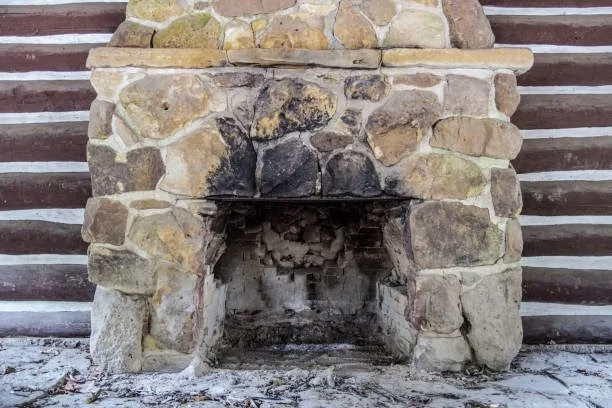
What Comes Out of a Greer South Carolina Chimney During a Sweep
A chimney sweep removes the deposits and obstructions that restrict airflow and create fire hazards. The main targets are:
-
Creosote. A black or brown residue that can be crusty, flaky, tar-like, or glazed. All forms are combustible, and glazed creosote is the most dangerous because it bonds to the flue and is harder to remove .
-
Soot. The powdery black residue left behind by incomplete combustion. Soot alone is less dangerous than creosote, but it accumulates quickly and affects draft.
-
Blockages. Bird nests, animal debris, leaves, and fallen masonry can block the flue. A blocked flue forces smoke and carbon monoxide back into the living space .
-
Loose debris. Bits of mortar, tile, or rust from the liner can collect in the smoke chamber and firebox area.
How Often Greer South Carolina Homeowners Should Book a Sweep
There is no single schedule that fits every home. The right frequency depends on what you burn and how often you burn it.
The type of fuel matters most. Wood-burning chimneys need the most frequent attention because wood produces the most creosote. Wood-burning chimneys should be swept quarterly when in use . Smokeless coal fires need sweeping once a year. Bituminous coal and peat need sweeping twice a year . Gas fireplaces do not produce creosote, but they still need annual inspection because venting components and seals can fail .
How you burn matters almost as much as what you burn. Wet or unseasoned wood creates cooler, dirtier smoke and more creosote. Smoldering fires — burning low and slow with restricted air — also produce more deposits . Homeowners who burn hot, efficient fires with dry wood accumulate less buildup than those who damp the fire down to make it last.
A practical baseline for most Greer South Carolina homeowners: have the chimney inspected once a year, and sweep based on what the inspection finds . Heavy users may need more than one sweep per season. Occasional users may go longer between sweeps, but the annual inspection should still happen.
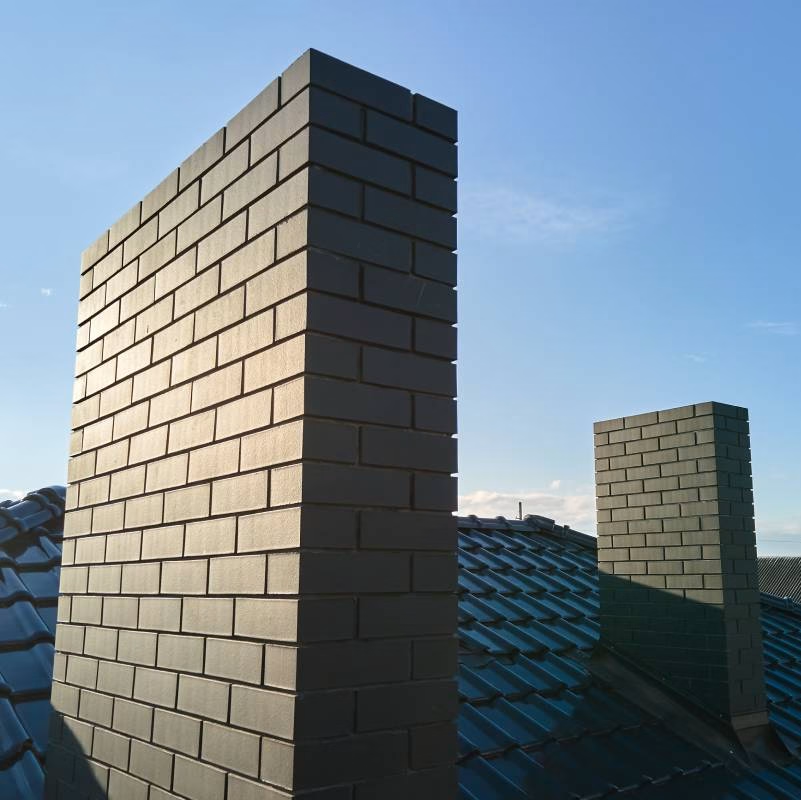
Creosote Buildup in Greer Chimneys
Creosote forms when combustion byproducts condense on the cooler surfaces inside a chimney. Continued fireplace use can gradually increase these deposits.
Creosote may appear as a loose, flaky substance or become more firmly attached to the interior surfaces. More substantial deposits can require additional cleaning attention.
Because the majority of the flue is hidden from normal view, looking into the fireplace cannot provide a complete picture of its interior condition. Professional sweeping can help identify and remove accessible buildup.
Signs Your Chimney May Need Sweeping
Some homeowners only think about chimney cleaning when fireplace performance changes. However, several signs may indicate that the system needs professional attention.
These can include:
- Strong smoky smells
- Visible soot around the fireplace
- Excessive residue in the firebox
- Debris falling from the chimney
- Changes in fireplace draft
- Difficulty maintaining a fire
- Visible creosote deposits
- A chimney that has not been cleaned recently
If smoke or unusual odors are occurring, cleaning may not be the only issue. The chimney should be evaluated to determine whether another condition is affecting its operation.
Chimney Sweeping and Chimney Inspection
Sweeping and inspection are not the same service. A chimney sweep removes accumulated soot, creosote, and debris, while an inspection focuses on the condition of the chimney and fireplace system.
During a professional visit, accessible components can be checked for visible deterioration, obstructions, or other concerns. If something appears damaged, a more detailed evaluation may be appropriate.
This distinction matters because removing buildup does not automatically correct structural or component-related problems.
Removing Chimney Obstructions
Leaves, branches, nesting materials, and other debris can enter a chimney from outside. Animal activity may also introduce material that blocks or partially restricts the flue.
An obstruction can interfere with normal airflow and prevent smoke from moving through the chimney as intended.
If an obstruction is suspected, the chimney should be evaluated before using the fireplace. Removing the material is only part of the solution if the condition that allowed the debris to enter remains unresolved.
Cleaning the Fireplace and Smoke Path
Residue can accumulate in several areas between the fireplace and the chimney exit. Depending on the design, this may include the firebox, damper area, smoke chamber, and flue.
A professional cleaning should account for the construction of the fireplace and the type of material present. Different forms of buildup may require different cleaning techniques.
Cleaning can also make it easier to notice unusual deposits, loose masonry, or other visible conditions that deserve further evaluation.
How Often Should a Greer Chimney Be Swept?
Chimney cleaning frequency depends on how the fireplace is used. Factors such as the type of fuel, frequency of burning, moisture content of firewood, chimney design, and amount of residue produced can all affect buildup.
A fireplace that is used regularly may require more frequent attention than one that is rarely used. Homeowners should consider the actual condition of the chimney rather than assuming that occasional use eliminates the need for cleaning.
An inspection can help determine whether accumulated deposits require professional removal.
Chimney Cleaning for Older Homes
Older homes can have chimneys constructed with different masonry materials, liners, and fireplace designs. Years of use may result in substantial residue while the chimney itself can develop age-related deterioration.
Cleaning provides an opportunity to remove accumulated material, but an older chimney may also benefit from an evaluation of its masonry, flue, damper, and other components.
Understanding the condition of the entire system can help homeowners make informed decisions about maintenance and repairs.
What If a Chimney Has Had a Fire?
A suspected chimney fire requires careful evaluation before the fireplace is used again. High temperatures can affect flue liners, masonry, and other chimney components even when damage is not obvious from the exterior.
Routine sweeping alone may not reveal every heat-related problem. A detailed inspection may be necessary to determine whether the chimney remains suitable for use and whether repairs are required.
Preparing Your Fireplace for Regular Use
Before periods of frequent fireplace use, homeowners can benefit from confirming that the chimney is free from excessive buildup and obvious obstructions.
A chimney that has remained unused for an extended period can still contain leaves, nesting material, or other debris. Professional cleaning can remove these materials while providing an opportunity to identify visible problems.
Keeping track of previous cleaning and inspection work can also help establish an appropriate maintenance routine.
Professional Chimney Sweep in Greer, South Carolina
A chimney sweep is about more than removing visible soot from the fireplace. Creosote, debris, nesting materials, and other deposits can accumulate farther inside the smoke path, where they are difficult for homeowners to evaluate.
Fire Aid Chimney Services provides chimney sweep services in Greer, South Carolina, for homeowners who need professional cleaning and attention to their fireplace and chimney system. The appropriate service depends on the chimney’s construction, fireplace usage, existing buildup, and overall condition.
The Three Service Levels
Chimney service is often described in three levels. Understanding them helps you know what to expect.
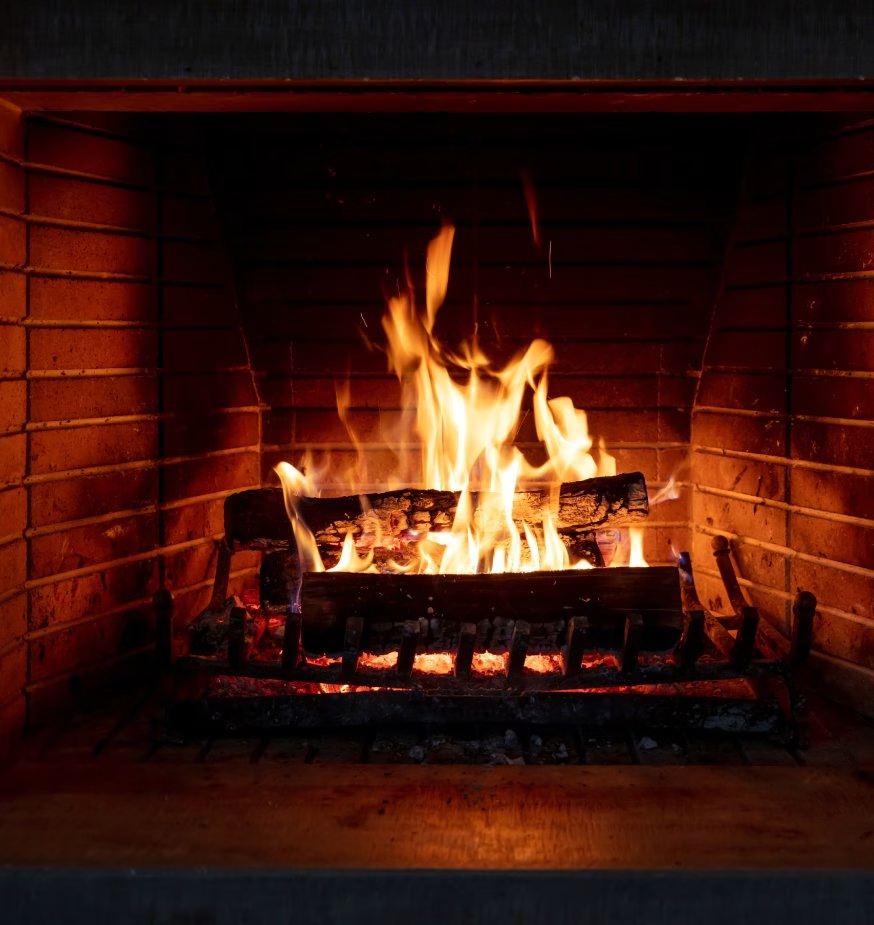
Level 1. The basic annual service. A visual check for obstructions and buildup, followed by sweeping with brushes and a specialized vacuum. Appropriate when the system has been used normally, nothing has changed, and you are maintaining an annual schedule .
Level 2. Everything in Level 1, plus a video camera scan of the full flue and a check of accessible areas in the attic, crawl space, and basement. Required when the system has changed, when you have had a chimney fire, or when buying or selling a home .
Level 3. The most invasive. Reserved for serious problems that cannot be accessed with Level 1 or 2 methods. May involve removing parts of the chimney or surrounding walls .
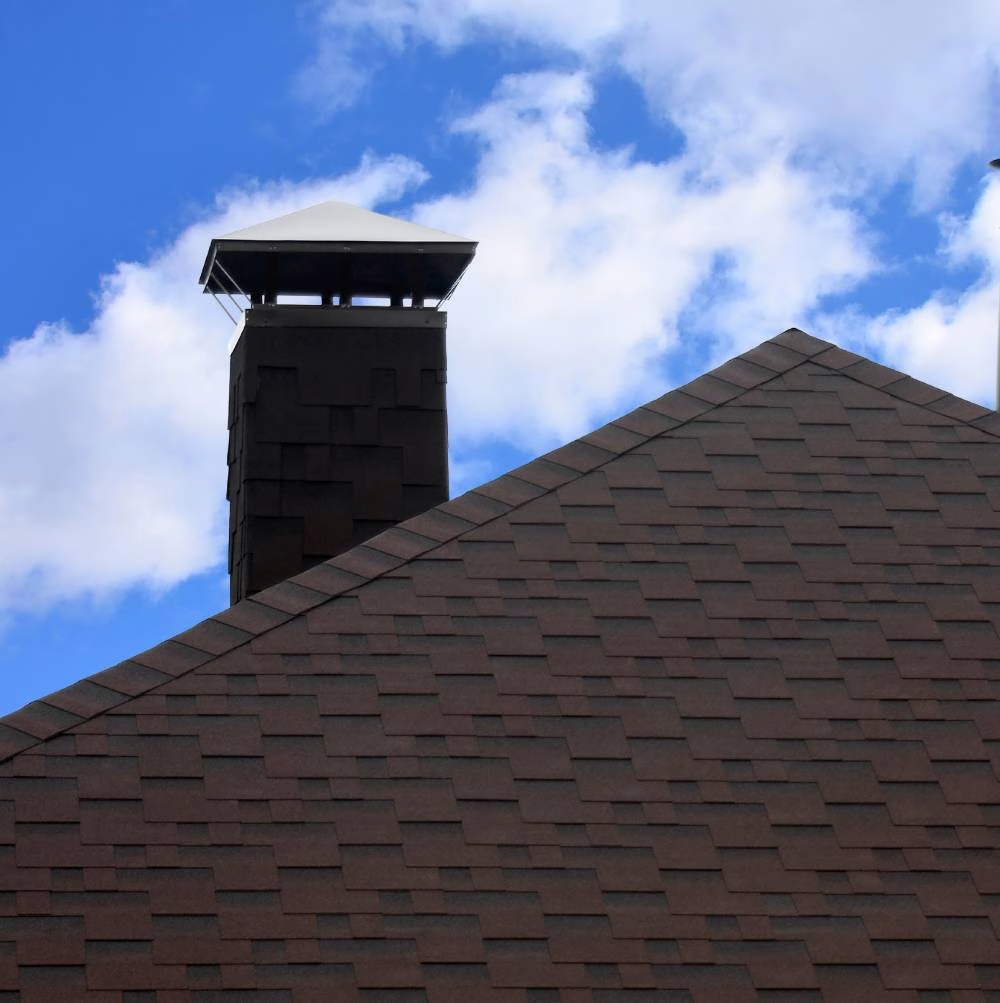
How a Greer South Carolina Sweep Appointment Runs
A professional sweep follows a defined process designed to clean effectively and contain the mess.
Initial assessment. The sweep examines the firebox and visible portions of the flue to determine how much buildup is present and what method to use .
Work area protection. Drop cloths go down around the fireplace and a path to the door. A high-powered vacuum runs throughout the job to capture airborne soot .
Sweeping. The sweep uses rods, brushes, and extension poles to scrape creosote and soot from the flue walls. The debris falls into the firebox or a collection point and gets vacuumed away .
Obstruction removal. If the sweep finds a bird nest, animal debris, or other blockage, it gets removed and documented.
Final check. The sweep verifies that the flue is clear and the firebox is clean. Any damage or concerning findings get reported to the homeowner
Getting Ready for a Greer South Carolina Sweep Appointment
A little preparation makes the job easier and cleaner.
-
Clear the hearth and mantel. Remove decorations, fireplace tools, and anything sitting near the fireplace .
-
Do not light a fire for at least 24 hours before the appointment. The firebox needs to be cool and free of ash .
-
Remove unburned fuel. Take out any logs or wood sitting in the firebox .
-
Clear a path. Make sure the sweep can get from the door to the fireplace without navigating around furniture .
-
Secure pets and children. The equipment and noise can be disruptive. Keep them in another room during the service.
Why Greer South Carolina Homeowners Contact Fire Aid
Fire Aid Chimney Services serves Greer South Carolina and surrounding Upstate communities with chimney sweep, chimney inspection, chimney repair, and related services. If your chimney is due for a sweep, contact us to discuss your situation and schedule an appointment.
FAQs About Chimney Sweep in Greer South Carolina
How often should a chimney be swept?
The frequency depends on fuel type and usage. Wood-burning chimneys may need sweeping quarterly when in use. Smokeless coal fires need sweeping once a year. Gas fireplaces do not produce creosote but still need annual inspection .
What is creosote and why is it dangerous?
Creosote is a residue that forms when wood smoke condenses on the cooler walls of a chimney. It is highly combustible. When it builds up and the flue temperature gets high enough, it can ignite and start a chimney fire .
Can I sweep my own chimney?
Basic DIY sweeping is possible for some homeowners, but it is messy, requires roof access, and does not replace a professional inspection. A certified sweep has the equipment to clean thoroughly and the training to identify problems that a homeowner might miss .
How long does a chimney sweep take?
A standard sweep typically takes 60 to 90 minutes per chimney, depending on the size and the amount of buildup .
What is the difference between a chimney sweep and a chimney inspection?
A sweep cleans the chimney. An inspection evaluates the condition of the chimney system for safety and function. You may need inspection even when sweeping is not necessary, and you may need repair even after sweeping .
Do gas fireplaces need sweeping?
Gas fireplaces do not produce creosote, so they do not need traditional sweeping. However, they still need annual inspection because venting components, seals, and combustion pathways can fail .
What does a chimney sweep cost in Greer South Carolina?
Costs vary based on the level of service and the specific chimney. Contact us to discuss pricing for your situation.
Areas We Serve
Fire Aid Chimney Services provides chimney sweep throughout Upstate South Carolina, including:
Other Services We Offer in Greer South Carolina
Chimney sweep is one part of what we do. We also handle chimney inspection, chimney cleaning, chimney repair, fireplace inspection, gas fireplace service, chimney waterproofing, chimney cap installation, masonry chimney repair, chimney rebuild, and chimney leak repair.