Fire Aid Chimney Services
Chimney Rebuild in Easley South Carolina
Chimney Rebuild in Easley South Carolina
Some chimneys are beyond repair. When the masonry is failing across large sections, when the chimney leans away from the house, or when decades of water damage have weakened the entire structure, patching it is a waste of money. The right solution is a rebuild — tearing down the damaged portion and reconstructing it properly. Fire Aid Chimney Services provides chimney rebuilds in Easley South Carolina for homeowners whose chimneys have structural damage that repair cannot solve. In addition, we handle chimney inspection, chimney sweep, chimney cleaning, chimney repair, masonry chimney repair, fireplace inspection, and chimney waterproofing.
When Easley South Carolina Chimneys Need a Rebuild Instead of Repair
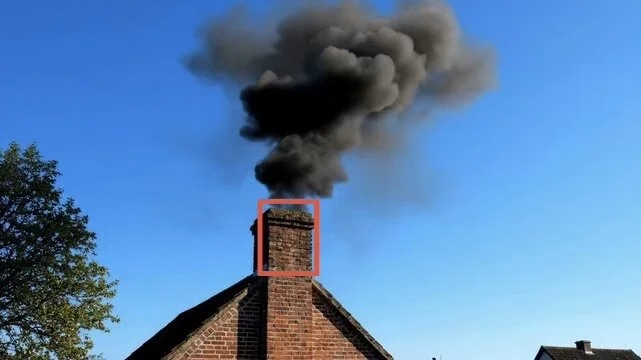
Rebuilds are not cosmetic work. They address real structural problems that repair cannot fix. Common reasons for a rebuild include:
Leaning or tilting chimney. A chimney that leans away from the house has lost its foundation or footing. Patching the masonry will not fix the underlying problem. The chimney needs to come down and be rebuilt on a sound base.
Severe spalling across large areas. When more than 25% of the masonry is spalling, replacing individual bricks is not practical. The damaged section gets torn down and rebuilt.
Widespread mortar failure. Repointing works when a few joints need repair. When most of the joints are failing, repointing the whole chimney is more expensive than a rebuild and does not address the internal damage.
Fire damage. A chimney fire can crack bricks, damage the flue liner, and weaken the entire structure. Chimneys that have been through a significant fire often need a rebuild.
Poor original construction. Some chimneys were built with the wrong materials, the wrong footing, or the wrong flashing. A rebuild corrects the original problems instead of repairing around them.
Failed foundation or footing. If the footing has shifted, cracked, or settled, the chimney above it will move. Fixing the upper sections without addressing the footing is a temporary fix.
How Easley South Carolina Weather Drives Chimney Damage
Easley South Carolina sits in a climate where freeze-thaw cycles are common from late fall through early spring. Water gets into cracks in the masonry during the day, then freezes and expands overnight. Each cycle widens the crack slightly. Over years, small hairline cracks become large gaps, mortar joints crumble, and brick faces spall off.
Summer storms add to the problem. Wind-driven rain finds every gap in the flashing, crown, and mortar. Water moves through the masonry, weakening it from the inside out. Without waterproofing after a repair or rebuild, the same damage returns.
This is why rebuilds are more common in the Upstate than in drier climates. The weather does not give masonry a break.
Signs of Serious Chimney Deterioration
Chimney damage does not always appear suddenly. Small masonry problems can gradually become more extensive when moisture continues entering the structure.
Easley homeowners should pay attention to signs such as:
- Bricks that are cracked, broken, or missing
- Large or expanding cracks in masonry
- Mortar joints that are crumbling
- Sections of the chimney that appear unstable
- A visible lean or change in alignment
- Brick surfaces that are flaking or breaking apart
- Water stains around the fireplace
- Rust or moisture-related deterioration
- Damage near the roofline
- Evidence of a previous chimney fire
These conditions should be evaluated professionally. Covering visible damage without addressing the underlying problem may leave structural concerns unresolved.
Partial Chimney Rebuilds in Easley
A chimney does not necessarily need to be rebuilt from the foundation upward. If deterioration is concentrated in one section, a partial rebuild may be a practical option.
The upper portion of a chimney is particularly exposed to rain, wind, sunlight, and temperature changes. If the masonry above the roofline has deteriorated while the lower structure remains stable, rebuilding that damaged section may be possible.
A partial rebuild may involve:
- Removing unstable masonry
- Rebuilding the affected section
- Addressing deteriorated mortar
- Evaluating the chimney crown
- Checking the cap and upper termination
- Examining flashing around the roof
- Assessing the condition of the flue
The exact stopping point should be based on the condition of the remaining structure rather than simply where the damage is easiest to see.
Full Chimney Reconstruction
More serious deterioration may require a larger reconstruction. A full rebuild can become necessary when structural problems extend through much of the chimney or when the existing structure cannot provide a suitable base for repair.
The scope may include removal of severely damaged masonry and reconstruction from a stable portion of the structure. If the chimney’s foundation or footing is also compromised, that issue must be considered as part of the overall project.
A full reconstruction requires careful planning because the rebuilt chimney must work properly with the fireplace, flue, roof, and surrounding structure.
How a Chimney Rebuild Works
Every Easley chimney rebuild has its own requirements, but the process generally starts with determining the actual extent of the damage.
1. Evaluate the Existing Chimney
The chimney is examined to identify damaged masonry, structural movement, moisture problems, and other conditions that could affect the rebuilding plan.
The fireplace and flue should also be considered so the rebuild does not focus solely on the exterior masonry.
2. Determine the Rebuild Area
Once the condition is understood, the appropriate scope can be established. This could mean rebuilding only the upper portion or addressing a much larger section.
3. Remove Damaged Materials
Unstable or severely deteriorated masonry is carefully removed from the area being reconstructed. The work should account for nearby roofing, fireplace components, and any remaining chimney structure.
4. Reconstruct the Masonry
The damaged section is rebuilt using suitable masonry materials and construction methods. When practical, replacement materials can be selected to complement the existing chimney and home.
5. Evaluate the Flue
The flue and liner are important parts of the chimney system. Their condition should be evaluated during a major rebuild, particularly if the chimney has experienced fire damage or prolonged deterioration.
6. Protect the Rebuilt Chimney
The chimney crown, cap, flashing, and other weather-exposed components should be considered as part of the finished project. Proper protection can help reduce future moisture-related deterioration.
7. Complete the Final Evaluation
Once the rebuild is finished, the completed structure and related fireplace components should be evaluated before the system is returned to regular use.
Water Damage and Chimney Rebuilding
Water is a common source of masonry deterioration. When moisture repeatedly enters damaged brick or mortar, the chimney can gradually lose its structural integrity.
Potential entry points include:
- Cracked chimney crowns
- Deteriorated mortar
- Damaged bricks
- Failed flashing
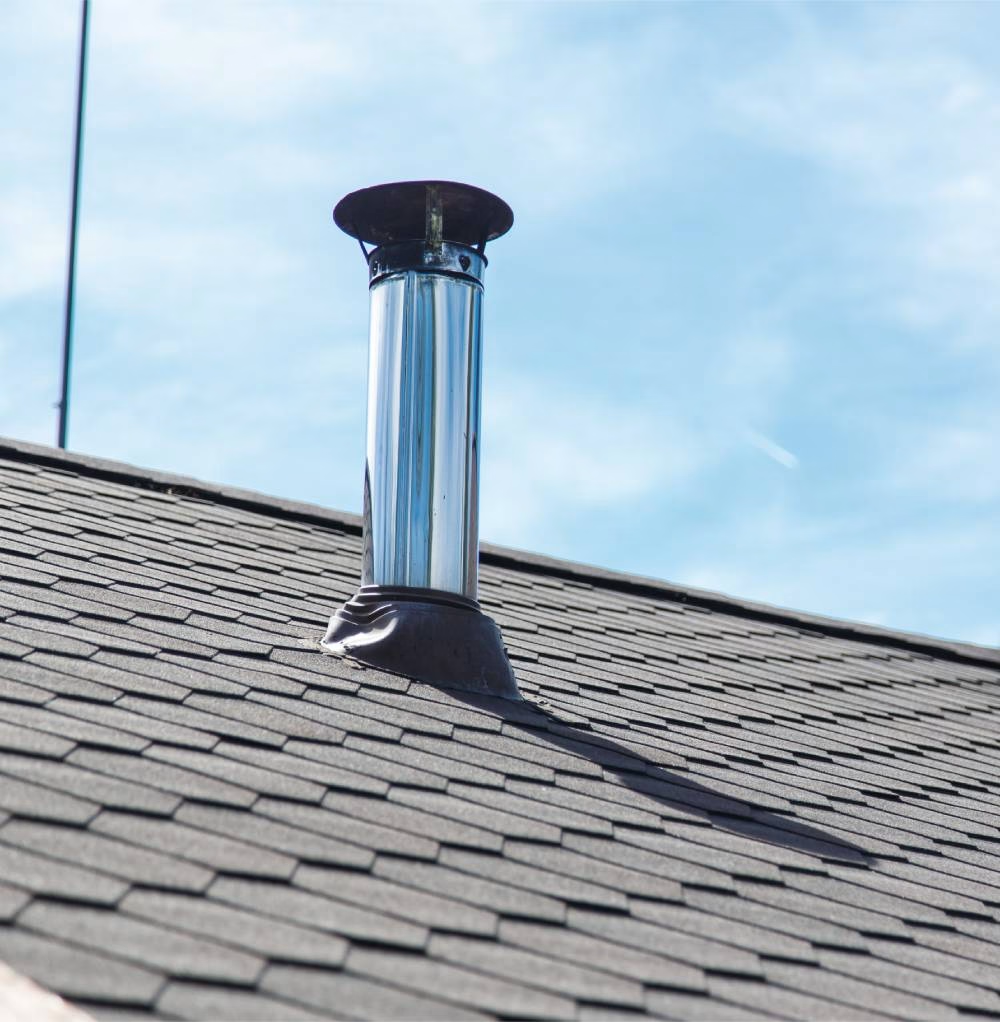
- Missing or damaged chimney caps
- Openings around the chimney
If water damage is limited, repairs may be sufficient. When deterioration is widespread, however, rebuilding may be necessary to replace compromised masonry and address the underlying condition.
Partial Rebuild vs. Full Rebuild in Easley South Carolina
Not every rebuild involves the whole chimney. The scope depends on where the damage stops.
Partial rebuild is right when:
-
Damage is confined to the section above the roofline
-
The chimney below the roof is structurally sound
-
The footing is stable and correctly sized
-
The flue liner below the roof can be reused or relined
Full rebuild is right when:
-
The chimney is leaning or has shifted
-
The footing is failed, undersized, or missing
-
Damage extends from the top to the base
-
The chimney has been through a fire that affected the whole structure
-
The original construction was fundamentally flawed
A professional inspection determines which scope is necessary.
What Shapes the Price in Easley South Carolina
Rebuild costs depend on the scope, the materials, and the specific condition of the chimney.
Scope of the rebuild. A partial rebuild above the roofline costs significantly less than a full rebuild that includes the foundation.
Chimney height and size. Taller chimneys and multi-flue chimneys require more material and labor.
Brick and mortar matching. Matching existing brick and mortar adds cost, especially for older chimneys with brick that is no longer manufactured.
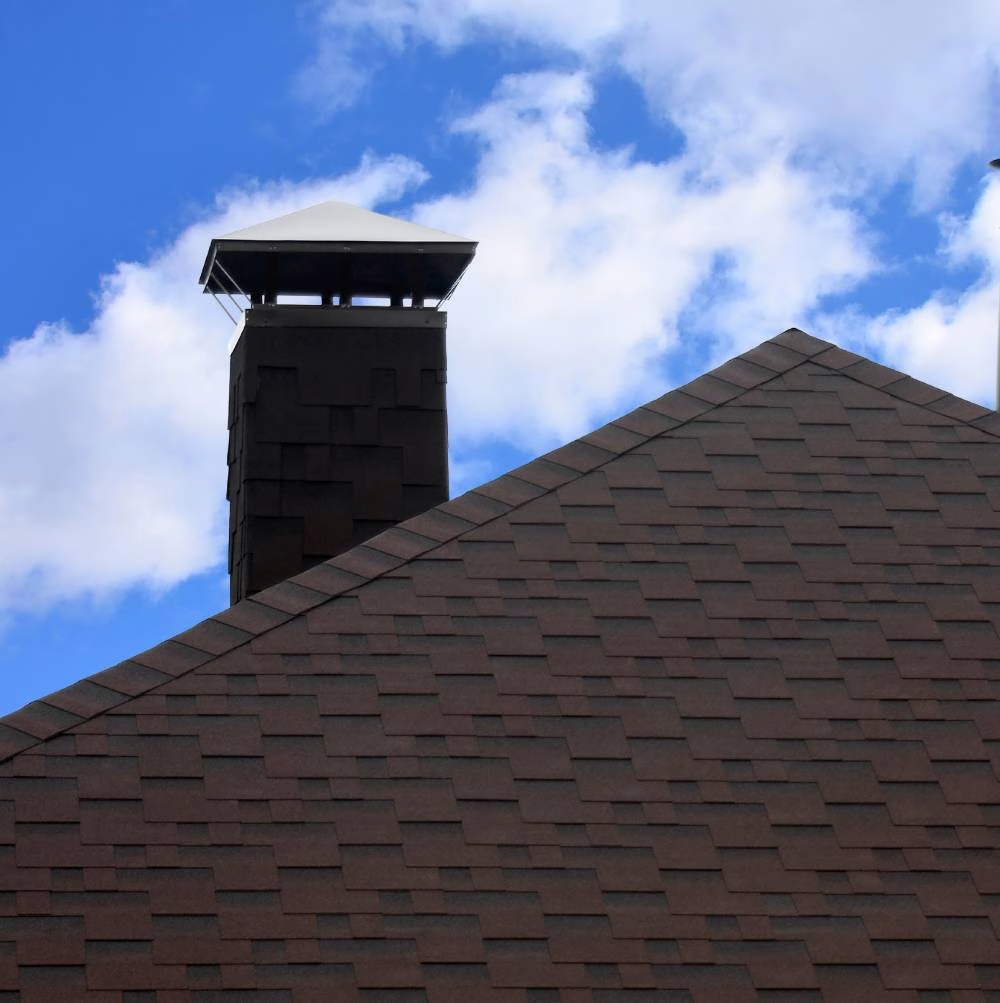
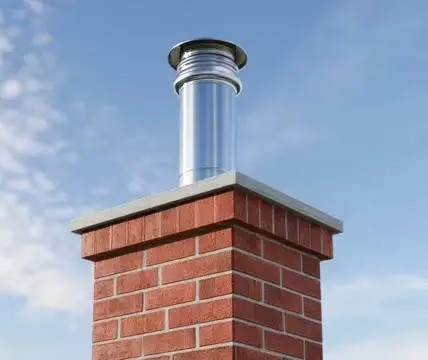
Flue liner. A rebuild typically includes a new liner. The cost depends on liner type — stainless steel, cast-in-place, or clay tile.
Access. Chimneys that are easy to reach cost less than those requiring scaffolding or special equipment.
Permits. Some jurisdictions require permits for chimney rebuilds. The permit process adds time and cost.
Waterproofing and cap. These are usually part of the rebuild scope. Confirm what is included in the written estimate.
We provide estimates based on what we see at the property. Phone quotes cannot accurately scope a rebuild.
What to Ask Before Hiring Anyone in Easley South Carolina
Before you hire anyone for a chimney rebuild, ask:
-
Are you experienced with full chimney reconstruction specifically?
-
Will I receive a written estimate that clearly states the scope?
-
Will you match the existing brick and mortar?
-
Is a new flue liner included in the scope?
-
Will the crown and cap be replaced?
-
Is waterproofing included?
-
Are permits required, and who handles them?
-
Are you insured for property damage and liability?
A qualified rebuild contractor will answer these questions directly.
Why Easley South Carolina Homeowners Contact Fire Aid
Fire Aid Chimney Services serves Easley South Carolina and surrounding Upstate communities with chimney rebuilds, masonry chimney repair, chimney inspection, and related services. If your chimney needs a rebuild, contact us to discuss the situation and schedule an estimate.
FAQs About Chimney Rebuild in Easley South Carolina
How do I know if my chimney needs a rebuild?
Signs include a leaning chimney, widespread spalling across large sections, failed mortar throughout the chimney, fire damage, or a failed footing. An inspection confirms whether repair is possible or a rebuild is necessary.
Can a leaning chimney be repaired instead of rebuilt?
No. A leaning chimney indicates a footing or foundation problem. Repairing the upper sections without addressing the base will not fix the lean. The chimney needs to be rebuilt on a sound foundation.
How long does a chimney rebuild take?
A partial rebuild (above roofline) typically takes a few days. A full rebuild with a new foundation can take one to two weeks or longer, depending on the scope and weather.
Can I use my fireplace during a rebuild?
No. During a rebuild, the fireplace and flue are out of service. The chimney is being torn down, and the flue is either being replaced or relined.
Will my chimney look the same after a rebuild?
The goal is to match the original as closely as possible. If matching brick is available, the rebuilt chimney will look similar to the original. In some cases, brick may need to be sourced, or a close match may be used. Discuss matching options during the estimate.
Does a rebuild include a new flue liner?
Yes. A rebuild is the right time to replace the liner. Most rebuilds include a new stainless steel or cast-in-place liner. Confirm what is included in your written estimate.
Do I need a permit for a chimney rebuild in Easley South Carolina?
Permit requirements vary by jurisdiction. Some cities and counties require permits for chimney rebuilds. Ask during the estimate who handles the permit process.
Areas We Serve
Fire Aid Chimney Services provides chimney rebuilds throughout Upstate South Carolina, including:
Other Services We Offer in Easley South Carolina
Chimney rebuild is one part of what we do. We also handle chimney inspection, chimney sweep, chimney cleaning, chimney repair, masonry chimney repair, fireplace inspection, gas fireplace service, gas fireplace repair, chimney waterproofing, chimney cap installation, and chimney leak repair.