Fire Aid Chimney Services
Chimney Rebuild in Boiling Springs South Carolina
Chimney Rebuild in Boiling Springs South Carolina
Some chimneys are beyond repair. When the masonry is failing across large sections, when the chimney leans away from the house, or when decades of water damage have weakened the entire structure, patching it is a waste of money. The right solution is a rebuild — tearing down the damaged portion and reconstructing it properly. Fire Aid Chimney Services provides chimney rebuilds in Boiling Springs South Carolina for homeowners whose chimneys have structural damage that repair cannot solve. In addition, we handle chimney inspection, chimney sweep, chimney cleaning, chimney repair, masonry chimney repair, fireplace inspection, and chimney waterproofing.
When Boiling Springs South Carolina Chimneys Need a Rebuild Instead of Repair
Rebuilds are not cosmetic work. They address real structural problems that repair cannot fix. Common reasons for a rebuild include:
Leaning or tilting chimney. A chimney that leans away from the house has lost its foundation or footing. Patching the masonry will not fix the underlying problem. The chimney needs to come down and be rebuilt on a sound base.
Severe spalling across large areas. When more than 25% of the masonry is spalling, replacing individual bricks is not practical. The damaged section gets torn down and rebuilt.
Widespread mortar failure. Repointing works when a few joints need repair. When most of the joints are failing, repointing the whole chimney is more expensive than a rebuild and does not address the internal damage.
Fire damage. A chimney fire can crack bricks, damage the flue liner, and weaken the entire structure. Chimneys that have been through a significant fire often need a rebuild.
Poor original construction. Some chimneys were built with the wrong materials, the wrong footing, or the wrong flashing. A rebuild corrects the original problems instead of repairing around them.
Failed foundation or footing. If the footing has shifted, cracked, or settled, the chimney above it will move. Fixing the upper sections without addressing the footing is a temporary fix.
Chimney Damage Commonly Seen in Boiling Springs
Chimneys are exposed to rain, moisture, temperature changes, and seasonal weather throughout the year. Water can enter through damaged mortar joints, cracks, flashing problems, crowns, or other vulnerable areas.
Once moisture gets into masonry, repeated expansion and contraction can gradually make existing damage worse. Bricks may begin to crack or flake, mortar joints can deteriorate, and water can reach areas that are difficult to see from the ground.
Over time, a small problem can develop into widespread structural deterioration. This is one reason addressing chimney damage early can be important.
Chimney Rebuild vs. Chimney Repair
Not every damaged chimney needs to be completely rebuilt. The right approach depends on how extensive the damage is.
A chimney repair may be appropriate when deterioration is limited to a relatively small area. Individual bricks can sometimes be replaced, damaged mortar joints can be repaired, and certain exterior components can be restored without rebuilding the entire structure.
A rebuild becomes more appropriate when the damage is widespread or the underlying structure is no longer reliable. For example, repairing surface masonry will not correct a chimney that has shifted because of a foundation problem.
An inspection can help determine whether the chimney can be repaired or whether rebuilding should be considered.
Partial Chimney Rebuilds in Boiling Springs
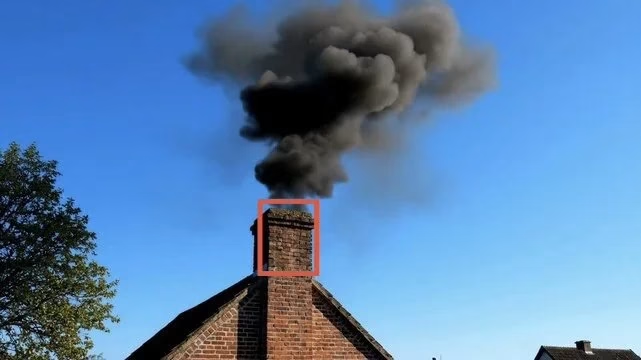
A chimney rebuild does not necessarily mean removing the entire chimney from the roof to the foundation.
In some situations, the damage is primarily located in the portion extending above the roofline. Because this section receives significant exposure to weather, it can experience substantial deterioration while the lower structure remains in better condition.
A partial rebuild may involve carefully removing the damaged masonry down to a structurally sound section and reconstructing the upper portion. The final scope depends on the condition of the chimney below the damaged area and the stability of the supporting structure.
Full Chimney Rebuilds
A full rebuild may be necessary when structural damage extends much deeper into the chimney.
This can include situations involving:
- A failed or unstable foundation
- Significant shifting or leaning
- Severe damage throughout the chimney
- Extensive fire-related deterioration
- Major structural defects from the original construction
- Damage extending below the roofline
A full reconstruction is a larger project because more of the existing structure must be removed and rebuilt. The chimney may also require new supporting components and a new flue system depending on its condition.
What Happens During a Chimney Rebuild?
Every chimney rebuild is different, but the process generally begins with an evaluation of the existing structure.
1. Chimney Assessment
The chimney is evaluated to determine where the damage begins and how far it extends. Accessible areas around the roofline, exterior masonry, fireplace, and other relevant components may be considered.
2. Removal of Damaged Masonry
The unstable or severely deteriorated section is carefully removed. The amount of removal depends on whether the project requires a partial or full rebuild.
3. Structural Reconstruction
The damaged section is reconstructed using appropriate masonry materials. When possible, the goal is to create a finished appearance that works naturally with the existing home.
4. Flue and Venting Evaluation
The flue is an important part of the chimney system. If the existing liner is damaged or unsuitable for continued use, replacement or relining may be considered as part of the rebuilding project.
5. Crown and Cap
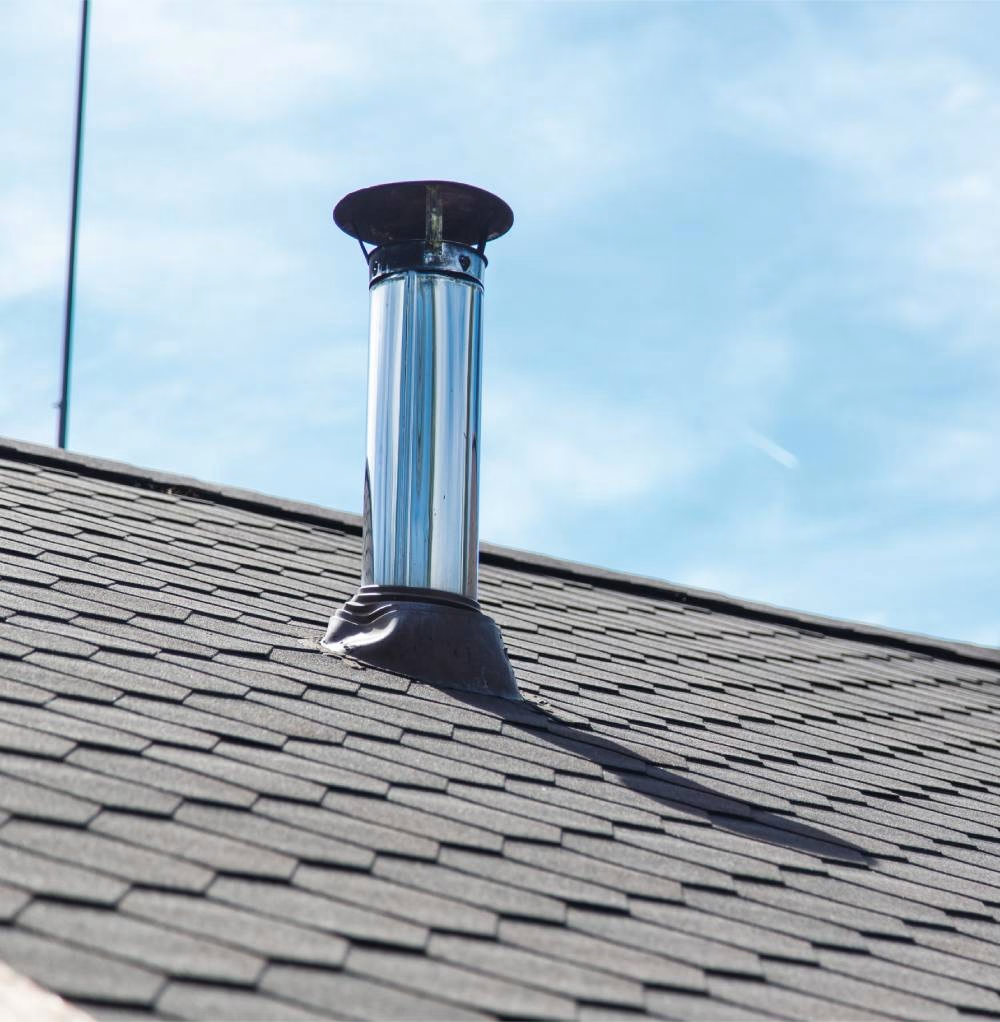
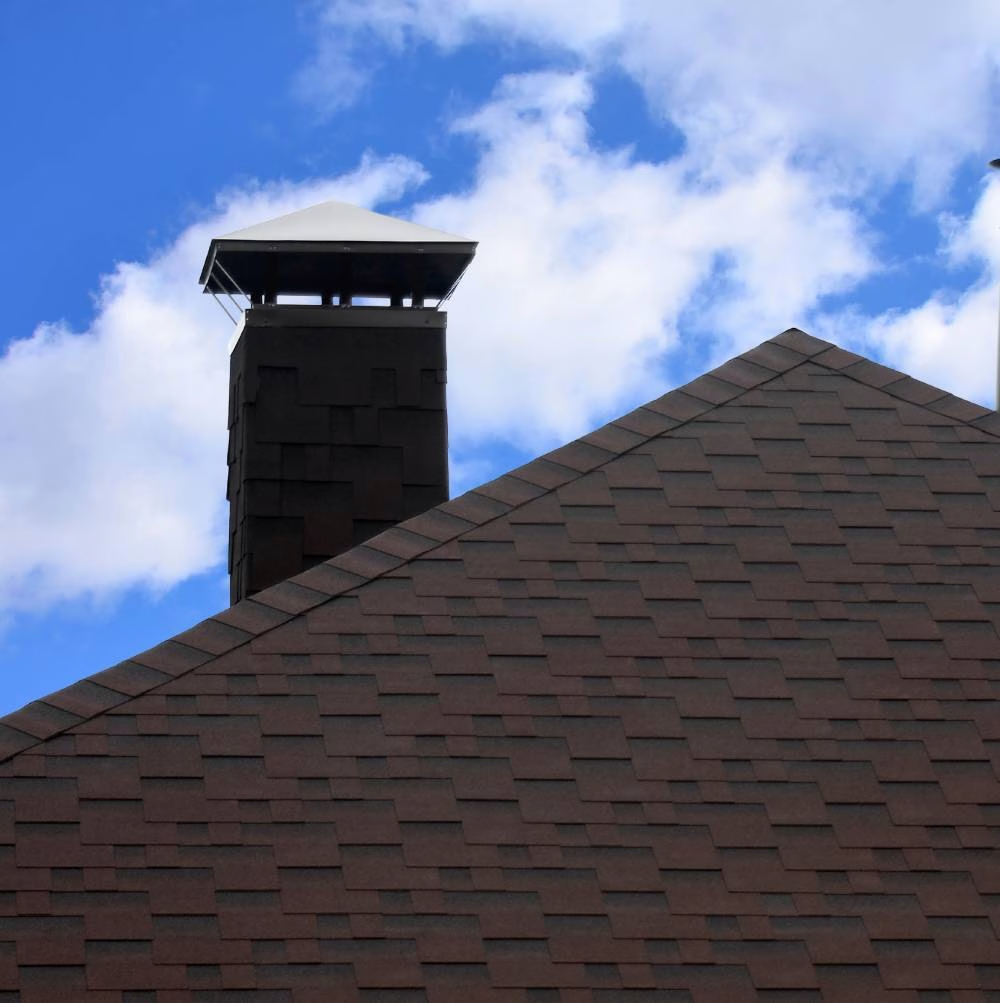
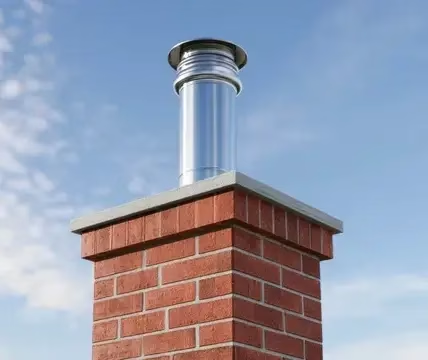
The upper portion of the chimney plays an important role in directing water away from the masonry. Depending on the project, a new crown and chimney cap may be installed.
6. Protection Against Future Moisture
Once the structural work is completed, appropriate waterproofing may help protect the masonry from future moisture intrusion.
Matching Brick and Mortar
A chimney rebuild should not only address structural concerns; appearance can also matter to homeowners.
Older Boiling Springs homes may have brick that is difficult to match exactly because the original material may no longer be commonly available. Differences in brick size, color, texture, and mortar can affect the finished appearance.
During the planning stage, homeowners should discuss available matching options and understand how closely the rebuilt section can be matched to the existing chimney.
How a Boiling Springs South Carolina Chimney Rebuild Works
A rebuild is a staged process. The scope depends on how much of the chimney needs to be replaced.
Assessment. The technician inspects the chimney from top to bottom — exterior masonry, roofline, attic, firebox, and visible footing. The inspection determines what needs to come down and what can stay.
Partial rebuild (above roofline). Many rebuilds only involve the portion of the chimney that extends above the roof. This is the most exposed part of the chimney and usually the first to fail. The damaged section is torn down to a stable point and rebuilt from there.
Full rebuild. If the damage extends below the roofline or the footing is bad, the entire chimney gets torn down to the foundation and rebuilt from scratch. This is a larger project with a longer timeline.
New flue liner. Rebuilds are the right time to install a new flue liner. Old clay tile liners are often damaged or missing. A new stainless steel liner or cast-in-place liner restores the safety of the flue.
New crown and cap. A rebuild includes a new crown with the correct slope for water runoff, and typically a new chimney cap.
Waterproofing. After the rebuild, the new masonry gets waterproofed to protect it from the same water intrusion that damaged the original chimney.
Partial Rebuild vs. Full Rebuild in Boiling Springs South Carolina
Not every rebuild involves the whole chimney. The scope depends on where the damage stops.
Partial rebuild is right when:
-
Damage is confined to the section above the roofline
-
The chimney below the roof is structurally sound
-
The footing is stable and correctly sized
-
The flue liner below the roof can be reused or relined
Full rebuild is right when:
-
The chimney is leaning or has shifted
-
The footing is failed, undersized, or missing
-
Damage extends from the top to the base
-
The chimney has been through a fire that affected the whole structure
-
The original construction was fundamentally flawed
A professional inspection determines which scope is necessary.
What Shapes the Price in Boiling Springs South Carolina
Rebuild costs depend on the scope, the materials, and the specific condition of the chimney.
Scope of the rebuild. A partial rebuild above the roofline costs significantly less than a full rebuild that includes the foundation.
Chimney height and size. Taller chimneys and multi-flue chimneys require more material and labor.
Brick and mortar matching. Matching existing brick and mortar adds cost, especially for older chimneys with brick that is no longer manufactured.
Flue liner. A rebuild typically includes a new liner. The cost depends on liner type — stainless steel, cast-in-place, or clay tile.
Access. Chimneys that are easy to reach cost less than those requiring scaffolding or special equipment.
Permits. Some jurisdictions require permits for chimney rebuilds. The permit process adds time and cost.
Waterproofing and cap. These are usually part of the rebuild scope. Confirm what is included in the written estimate.
We provide estimates based on what we see at the property. Phone quotes cannot accurately scope a rebuild.
What to Ask Before Hiring Anyone in Boiling Springs South Carolina
Before you hire anyone for a chimney rebuild, ask:
-
Are you experienced with full chimney reconstruction specifically?
-
Will I receive a written estimate that clearly states the scope?
-
Will you match the existing brick and mortar?
-
Is a new flue liner included in the scope?
-
Will the crown and cap be replaced?
-
Is waterproofing included?
-
Are permits required, and who handles them?
-
Are you insured for property damage and liability?
A qualified rebuild contractor will answer these questions directly.
Why Boiling Springs South Carolina Homeowners Contact Fire Aid
Fire Aid Chimney Services serves Boiling Springs South Carolina and surrounding Upstate communities with chimney rebuilds, masonry chimney repair, chimney inspection, and related services. If your chimney needs a rebuild, contact us to discuss the situation and schedule an estimate.
FAQs About Chimney Rebuild in Boiling Springs South Carolina
How do I know if my chimney needs a rebuild?
Signs include a leaning chimney, widespread spalling across large sections, failed mortar throughout the chimney, fire damage, or a failed footing. An inspection confirms whether repair is possible or a rebuild is necessary.
Can a leaning chimney be repaired instead of rebuilt?
No. A leaning chimney indicates a footing or foundation problem. Repairing the upper sections without addressing the base will not fix the lean. The chimney needs to be rebuilt on a sound foundation.
How long does a chimney rebuild take?
A partial rebuild (above roofline) typically takes a few days. A full rebuild with a new foundation can take one to two weeks or longer, depending on the scope and weather.
Can I use my fireplace during a rebuild?
No. During a rebuild, the fireplace and flue are out of service. The chimney is being torn down, and the flue is either being replaced or relined.
Will my chimney look the same after a rebuild?
The goal is to match the original as closely as possible. If matching brick is available, the rebuilt chimney will look similar to the original. In some cases, brick may need to be sourced, or a close match may be used. Discuss matching options during the estimate.
Does a rebuild include a new flue liner?
Yes. A rebuild is the right time to replace the liner. Most rebuilds include a new stainless steel or cast-in-place liner. Confirm what is included in your written estimate.
Do I need a permit for a chimney rebuild in Boiling Springs South Carolina?
Permit requirements vary by jurisdiction. Some cities and counties require permits for chimney rebuilds. Ask during the estimate who handles the permit process.
Areas We Serve
Fire Aid Chimney Services provides chimney rebuilds throughout Upstate South Carolina, including:
Other Services We Offer in Boiling Springs South Carolina
Chimney rebuild is one part of what we do. We also handle chimney inspection, chimney sweep, chimney cleaning, chimney repair, masonry chimney repair, fireplace inspection, gas fireplace service, gas fireplace repair, chimney waterproofing, chimney cap installation, and chimney leak repair.