Fire Aid Chimney Services
Chimney Cleaning in Piedmont South Carolina
Chimney Cleaning in Piedmont South Carolina
A chimney is more than a pipe. It is a system made up of a firebox, a damper, a smoke chamber, and a flue. Each part collects something different. The firebox holds ash and partially burned debris. The smoke chamber traps soot and creosote on its sloped walls. The flue accumulates creosote and can pick up blockages from animals, leaves, or failing masonry. Cleaning the chimney means addressing all of these areas — not just running a brush down the flue.
Fire Aid Chimney Services provides chimney cleaning in Piedmont South Carolina for homeowners who want their fireplaces and wood stoves operating safely. In addition, we handle chimney inspection, chimney sweep, chimney repair, chimney waterproofing, and chimney cap installation.
What a Full Cleaning Removes From Piedmont South Carolina Chimneys
Chimney cleaning is broader than a standard sweep. The work includes:
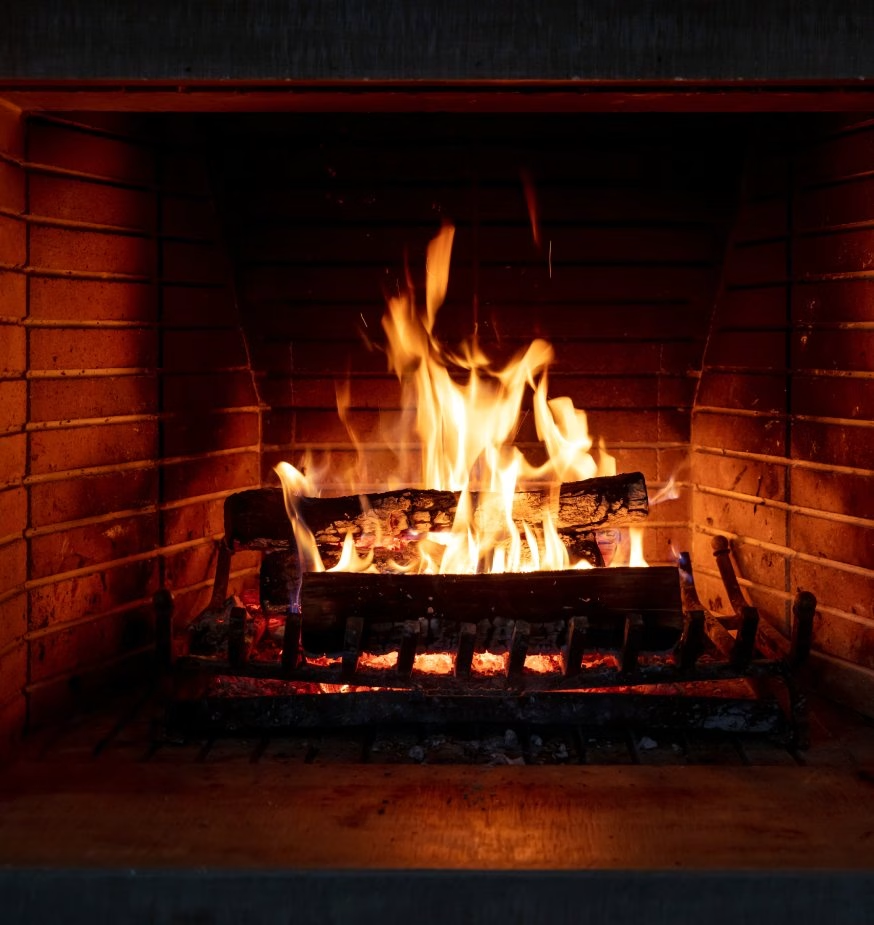
Firebox cleaning. Removing ash, soot, and leftover debris from the firebox. This includes scraping the walls and floor and vacuuming out residue.
Damper cleaning. Clearing the damper of soot and debris so it opens and closes smoothly. A stuck damper is a fire hazard and a performance problem.
Smoke chamber cleaning. The smoke chamber sits between the damper and the flue. Its sloped walls collect heavy soot and creosote that brushes cannot always reach. Cleaning this area requires specific tools and care .
Flue cleaning. Running brushes and rods through the flue to scrape creosote and soot from the interior walls. This is the part most people think of when they hear “chimney cleaning” .
Obstruction removal. Removing bird nests, animal debris, leaves, and fallen masonry that block airflow. A blocked flue forces smoke and carbon monoxide back into the home .
Debris disposal. Bagging and removing all the material collected during cleaning, leaving the firebox and surrounding area clean.
Sweeping and Cleaning Are Two Different Jobs
The terms are often used interchangeably, but there is a difference. A chimney sweep specifically cleans the flue. Chimney cleaning covers the entire system — firebox, damper, smoke chamber, and flue. For many homeowners, the two services happen together. If you are booking a sweep, ask whether firebox and smoke chamber cleaning are included or if they are separate line items.
For a focused look at flue sweeping, see our chimney sweep page.
Creosote Deserves Special Attention
Creosote is not something homeowners should ignore. As deposits accumulate, they can become increasingly difficult to remove. Some forms are loose and flaky, while others can become dense or glazed.
Because creosote is combustible, excessive accumulation is an important reason to keep up with chimney maintenance. A professional cleaning can remove deposits that ordinary fireplace cleaning cannot reach.
Homeowners can also reduce unnecessary buildup by using properly seasoned firewood and avoiding prolonged smoldering fires. However, good burning habits do not completely eliminate the need for inspection and cleaning.
Signs Your Chimney May Need Attention
A chimney does not always provide an obvious warning when it needs cleaning. Some signs may appear gradually as deposits or obstructions develop.
Look for changes such as:
- Smoke entering the room during fireplace use
- A noticeable smoky smell when the fireplace is not operating
- Heavy dark deposits around the firebox
- Poor draft or difficulty maintaining a fire
- Unusual sounds or debris falling into the fireplace
- Difficulty operating the damper
- Evidence of birds, leaves, or nesting material
- Frequent fireplace use without recent chimney maintenance
These symptoms can have several possible causes. Cleaning may solve a buildup-related issue, while other conditions may require inspection or repair.
What Happens During a Chimney Cleaning?
Professional chimney cleaning starts with an assessment of the accessible fireplace and chimney components. This helps determine the amount of buildup present and the appropriate cleaning approach.
The area around the fireplace is protected before work begins. Specialized equipment can then be used to remove residue from the firebox, damper area, smoke chamber, and flue.
Depending on the chimney, cleaning may involve brushes, extension rods, specialized hand tools, and a high-powered vacuum system designed to collect soot and debris.
A typical process may include:
- Examining accessible components before cleaning.
- Protecting the hearth and surrounding work area.
- Removing loose ash and debris from the firebox.
- Cleaning accessible areas around the damper.
- Removing deposits from the smoke chamber.
- Brushing soot and creosote from the flue.
- Collecting and removing the loosened debris.
- Reviewing the cleaned areas for visible concerns.
The exact procedure can vary depending on the chimney’s construction, accessibility, condition, and level of buildup.
Inside a Piedmont South Carolina Cleaning Appointment
A professional cleaning follows a defined process.
Initial assessment. The technician examines the firebox, damper, smoke chamber, and visible portions of the flue to determine what needs cleaning and what method to use .
Work area protection. Drop cloths go down around the fireplace and a path to the door. A high-powered vacuum runs throughout the job to capture airborne soot .
Firebox and damper cleaning. The firebox gets scraped and vacuumed. The damper gets cleared so it moves freely.
Smoke chamber cleaning. The technician uses specialized tools to reach the sloped walls of the smoke chamber and remove soot and creosote that brushes cannot easily access .
Flue cleaning. Rods and brushes get run through the flue to scrape deposits from the interior walls. The debris falls into the firebox or a collection point and gets vacuumed away .
Final check and report. The technician verifies that all areas are clean and reports any damage or concerning findings to the homeowner.
Before the Crew Arrives at Your Piedmont South Carolina Home
A little preparation makes the job easier and cleaner.
-
Clear the hearth and mantel. Remove decorations, fireplace tools, and anything sitting near the fireplace .
-
Do not light a fire for at least 24 hours before the appointment. The firebox needs to be cool and free of ash .
-
Remove unburned fuel. Take out any logs or wood sitting in the firebox .
-
Clear a path. Make sure the crew can get from the door to the fireplace without navigating around furniture .
-
Secure pets and children. The equipment and noise can be disruptive. Keep them in another room during the service.
Why Piedmont South Carolina Homeowners Contact Fire Aid
Fire Aid Chimney Services serves Piedmont South Carolina and surrounding Upstate communities with chimney cleaning, chimney inspection, chimney sweep, and related services. If your chimney is due for cleaning, contact us to discuss your situation and schedule an appointment.
FAQs About Chimney Cleaning in Piedmont South Carolina
How often should a chimney be cleaned?
The frequency depends on fuel type and usage. Wood-burning chimneys need the most attention. Gas fireplaces do not produce creosote but still need annual inspection. Schedule an annual inspection and clean based on what it finds .
What is the difference between a chimney sweep and chimney cleaning?
A sweep focuses on the flue. Cleaning covers the entire system — firebox, damper, smoke chamber, and flue. Many services combine the two .
What is creosote and why is it dangerous?
Creosote is a residue that forms when wood smoke condenses on the cooler walls of a chimney. It is highly combustible. When it builds up and the flue temperature gets high enough, it can ignite and start a chimney fire .
Can I clean my own chimney?
Basic DIY cleaning is possible for some homeowners, but it is messy, requires roof access, and does not replace a professional inspection. A certified technician has the equipment to clean thoroughly and the training to identify problems a homeowner might miss .
How long does chimney cleaning take?
A standard cleaning typically takes 60 to 90 minutes, depending on the size and amount of buildup. Full system cleaning may take longer .
Do gas fireplaces need cleaning?
Gas fireplaces do not produce creosote, so they do not need traditional flue cleaning. However, they still need annual inspection because venting components, seals, and combustion pathways can fail .
What does chimney cleaning cost in Piedmont South Carolina?
Costs vary based on the level of service and the specific chimney. Contact us to discuss pricing for your situation.
Areas We Serve
Fire Aid Chimney Services also provides chimney cleaning in these nearby communities:
Other Services We Offer in Piedmont South Carolina
Chimney cleaning is one part of what we do. We also handle chimney inspection, chimney sweep, chimney repair, fireplace inspection, gas fireplace service, chimney waterproofing, chimney cap installation, masonry chimney repair, chimney rebuild, and chimney leak repair.