Fire Aid Chimney Services
Chimney Cap Installation in Powdersville South Carolina
A chimney works as an important pathway for smoke and combustion gases, but the opening at the top also leaves the system exposed to the outdoors. Without suitable protection, rain, leaves, nesting material, and wildlife can enter the flue. A properly fitted chimney cap helps shield the opening while maintaining the airflow needed for the chimney to operate correctly.
For homeowners in Powdersville, South Carolina, chimney cap installation can be a practical solution when a chimney has no cap or when an existing cap has become damaged, corroded, loose, or poorly fitted.
Why the Chimney Top Needs Protection
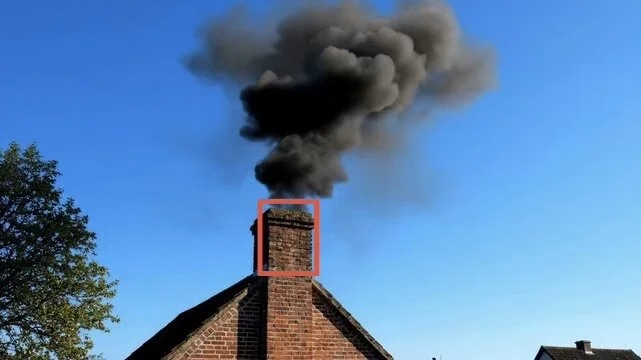
The chimney top is exposed to changing weather conditions throughout the year. Repeated moisture entering through an open flue can affect metal components, masonry, and other parts of the chimney system. Debris can also accumulate inside the flue and create unnecessary maintenance concerns.
A chimney cap creates a physical barrier over the opening. Depending on its design, it can help reduce rain entry, prevent larger debris from falling inside, and make it more difficult for animals to access the flue.
A cap should not be considered a replacement for proper chimney maintenance. The crown, flashing, masonry, and flue should also remain in suitable condition.
Chimney Cap Designs for Different Flues
The shape and construction of your chimney determine what type of cap is appropriate. Measurements should be taken before choosing a cap so that the finished installation provides adequate coverage.
Single-Flue Caps
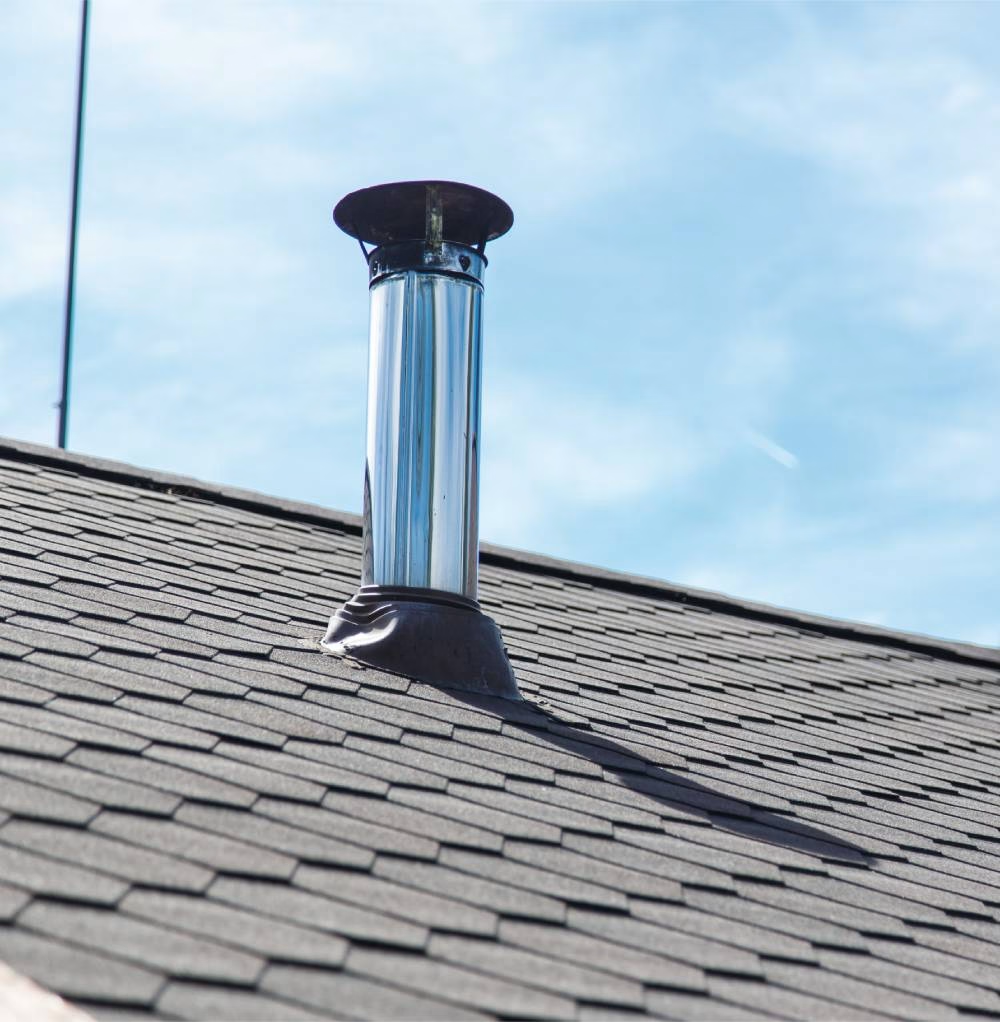
Single-flue caps are designed for chimneys with one flue opening. They can be manufactured in different shapes to match the existing flue and provide protection around its perimeter.
The cap should be properly sized and securely attached so that it remains stable and does not leave exposed gaps.
Multi-Flue Caps
When a chimney has multiple flues, the cap needs to accommodate the complete arrangement. A multi-flue design can cover several openings while maintaining the necessary clearance around each one.
These installations require careful measurements because the chimney top may have different heights or configurations around the individual flues.
Custom Chimney Caps
Some chimney structures cannot be adequately protected with an off-the-shelf cap. Unusual dimensions, architectural details, or multiple openings may call for a custom-fabricated design.
A custom cap can be built around the actual measurements of the chimney, providing a more precise fit and allowing the design to work with the existing structure.
Screened Caps
Screening can help prevent birds, small animals, leaves, and larger debris from entering the flue. The screen should be strong enough for its intended purpose and kept free of excessive buildup.
Signs Your Chimney Cap May Need Replacement
An existing chimney cap can deteriorate gradually. Visible rust, corrosion, bent metal, damaged screening, loose sections, or movement during windy conditions are all reasons to have the cap inspected.
Problems may also become noticeable inside the home. Water stains near the fireplace, dampness, debris falling into the firebox, or unusual animal sounds can indicate that the chimney top is not providing adequate protection.
If the cap has shifted or become detached after severe weather, it should be evaluated before it causes additional damage or falls from the chimney.
What Happens During Chimney Cap Installation?
A proper installation starts with examining the chimney top. The condition of the flue opening, crown, masonry, and available mounting surface should be considered before a new cap is fitted.
The chimney is then measured to determine the appropriate dimensions and configuration. Correct sizing is essential because an undersized cap may leave the opening exposed, while a poorly fitted oversized cap may be difficult to secure properly.
After selecting the appropriate cap, it is positioned and attached using a method suitable for the chimney and cap design. The finished installation should be checked for stability, alignment, coverage, and clearance around the flue.
If the chimney crown or masonry is significantly damaged, those issues may need to be repaired before the new cap is installed.
How a Chimney Cap Helps Limit Water Entry
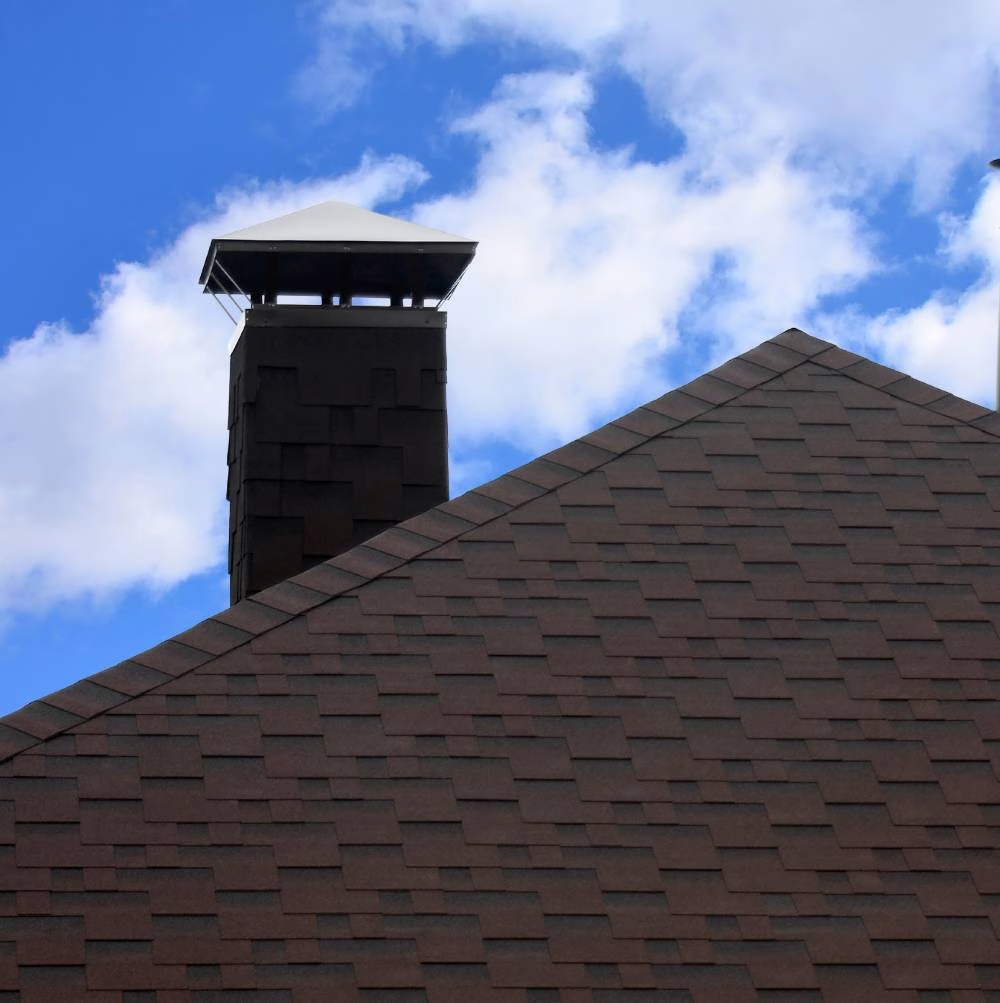
Moisture is one of the main concerns associated with an exposed chimney. Rain entering directly through the flue can reach areas that are difficult to dry and may contribute to deterioration over time.
A properly installed cap helps reduce direct water entry through the flue opening. However, water can enter a chimney through other locations as well.
If you notice dampness, staining, or water around your fireplace, the chimney should be evaluated as a complete system. The crown, flashing, masonry joints, and other components may all need to be considered when identifying the source.
Keeping Wildlife and Debris Outside
An open flue can provide easy access for birds and other small animals looking for shelter. Once inside, animals can leave nesting materials or other debris that may interfere with the chimney.
A chimney cap equipped with appropriate screening helps create a barrier at the top of the flue. This can reduce the likelihood of unwanted entry while maintaining the intended pathway for smoke and gases.
If there are already signs of an animal inside the chimney, the situation should be handled before the opening is sealed with a new cap.
Chimney Caps and Airflow
The design and position of a chimney cap can influence airflow around the chimney top. In some situations, an appropriately designed cap may help reduce wind-related downdrafts.
However, smoke entering a room should not automatically be attributed to the chimney cap. Fireplace draft can be influenced by chimney height, flue condition, damper operation, ventilation, and the design of the fireplace.
Persistent smoke problems should be investigated as part of a broader chimney and fireplace evaluation.
Selecting a Suitable Cap Material
Chimney caps are available in several materials, and the right choice depends on the chimney, expected exposure, appearance, and maintenance preferences.
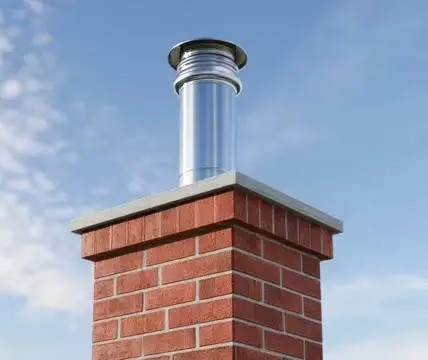
Galvanized steel can provide a practical option for homeowners seeking a straightforward cap. Stainless steel is commonly chosen for its resistance to corrosion and suitability for exterior use. Copper provides a distinctive appearance and naturally develops a patina as it ages.
The most suitable material should be selected based on the actual requirements of the chimney rather than appearance alone.
Maintaining Your Chimney Cap
A chimney cap still needs occasional attention after installation. Periodic inspection can reveal corrosion, damaged screening, loose fasteners, accumulated leaves, or other changes that may affect its performance.
It is especially important to have the cap checked if you notice water entering the fireplace, animal activity, visible deterioration, or movement after severe weather.
Checking the cap along with the chimney crown, masonry, and other accessible components can help identify developing problems before they become more difficult to address.
Chimney Cap Installation in Powdersville South Carolina
A well-fitted chimney cap provides an additional layer of protection at the top of your chimney. It can help reduce exposure to rain, limit access for wildlife, and keep larger debris from entering the flue.
For homeowners in Powdersville, South Carolina, the appropriate installation depends on the chimney’s dimensions, flue configuration, construction, existing cap, and condition of the chimney top. A careful evaluation can determine the right cap design and installation method for the specific chimney.
FAQs About Chimney Cap Installation in Powdersville South Carolina
Do I really need a chimney cap?
Yes. A cap keeps water, animals, and debris out of the flue and contains sparks. Without one, your chimney is exposed to damage that costs far more to repair than a cap costs to install.
How much does chimney cap installation cost?
Costs vary based on cap type, material, and chimney configuration. For reference, stainless steel single-flue caps in South Carolina have been quoted around $175 installed. Contact us to discuss pricing for your situation.
How long does a chimney cap last?
Lifespan depends on material. Galvanized steel lasts 5 to 10 years. Stainless steel lasts 10 to 20+ years. Copper lasts 15 to 25+ years.
Can I install a chimney cap myself?
Basic caps are sometimes available as DIY kits. However, installation requires roof access, proper measurement, and secure attachment. A poorly installed cap can leak, blow off in high wind, or fail to keep animals out. Professional installation ensures the cap is fitted and secured correctly.
What type of cap is best for my chimney?
The right cap depends on your chimney type (masonry vs. metal), number of flues, and priorities. A single-flue cap works for most masonry chimneys with one flue. Multi-flue chimneys need a multi-flue cap. We can recommend the right option during the estimate.
Will a cap stop birds from getting in my chimney?
Yes. A cap with a mesh screen keeps birds, squirrels, and raccoons out of the flue.
Can a cap help with smoke coming into the room?
Yes. A properly sized cap reduces downdrafts and helps maintain proper draft. If you have persistent smoke problems, the cap may be part of the solution, but the flue and damper should also be checked.
Areas We Serve
Fire Aid Chimney Services provides chimney cap installation throughout Upstate South Carolina, including:
Other Services We Offer in Powdersville South Carolina
Chimney cap installation is one part of what we do. We also handle chimney inspection, chimney sweep, chimney cleaning, chimney repair, fireplace inspection, gas fireplace service, gas fireplace repair, chimney waterproofing, masonry chimney repair, chimney rebuild, and chimney leak repair.