Fire Aid Chimney Services
Chimney Cap Installation in Boiling Springs, South Carolina
A properly fitted chimney cap helps protect your chimney from rain, leaves, animals, and other outdoor elements that can enter through an exposed flue. If your chimney cap is missing, damaged, loose, rusted, or no longer covering the flue correctly, professional chimney cap installation in Boiling Springs, South Carolina can help protect the chimney system and reduce preventable moisture and debris problems.
Fire Aid Chimney Services provides chimney and fireplace services for homeowners who want their chimney system inspected, maintained, repaired, and protected. The right cap depends on the design of your chimney, the number of flues, the condition of the chimney top, and the way the cap needs to be secured.
Why Chimney Caps Matter
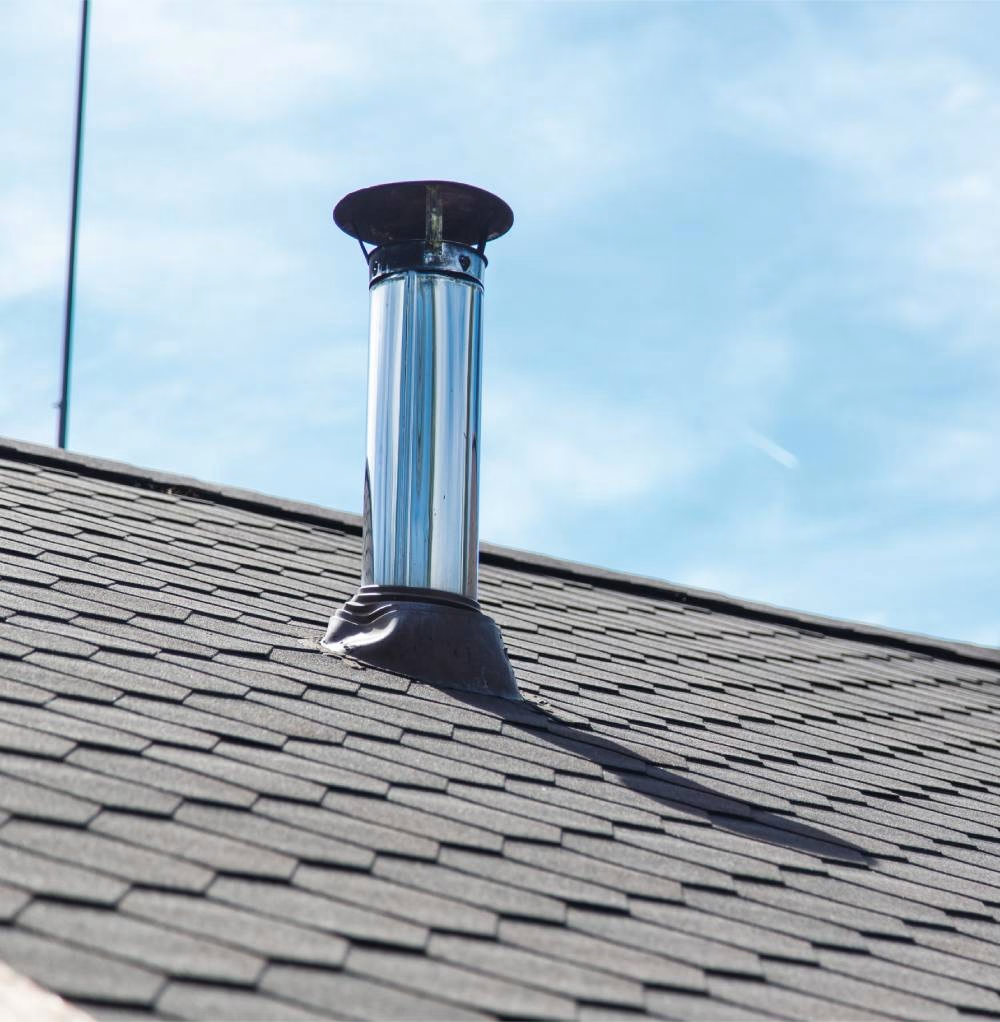
A chimney opening is exposed to the weather whenever it is not properly protected. Rainwater can enter directly through an uncovered flue and contribute to moisture-related deterioration inside the chimney. Leaves, twigs, and other debris can also collect around or inside an exposed opening.
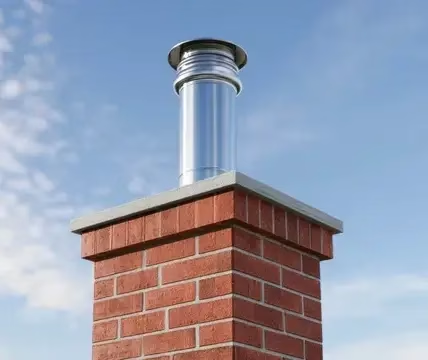
A chimney cap provides a protective barrier over the flue while allowing smoke and combustion gases to exit when the fireplace or other vented appliance is operating correctly.
A properly installed cap can help:
- Keep rain and other precipitation out of the flue
- Reduce the chance of birds and small animals entering the chimney
- Limit leaves, twigs, and windblown debris from entering
- Help protect chimney components from unnecessary moisture exposure
- Provide spark protection when the cap includes an appropriate mesh screen
- Protect the top portion of the chimney from some common outdoor conditions
A cap is not a substitute for chimney inspection, cleaning, or structural repair. It is one part of maintaining a complete chimney system.
Chimney Cap Installation for Boiling Springs Homes
Every chimney is not built exactly the same. Some homes have a single flue, while others have multiple flues or different chimney configurations. The cap should therefore be selected according to the actual chimney rather than simply choosing a generic size.
Before installing or replacing a chimney cap, important considerations include the flue dimensions, chimney-top condition, mounting surface, existing masonry, and the type of venting system.
This is particularly important when replacing an old cap. Installing a new cover without addressing a damaged chimney crown, deteriorated masonry, loose components, or another underlying problem may leave the homeowner with the same moisture issue.
A professional evaluation helps determine whether the chimney needs a replacement cap, a different cap configuration, additional repair, or another form of chimney maintenance.
Signs Your Chimney May Need a New Cap
You may need chimney cap replacement or installation if you notice any of the following:
There Is No Cap on the Chimney
If you can see an open flue from a safe viewing location, the chimney may not have adequate protection from weather and wildlife. A professional can determine what type of cap is appropriate for the chimney.
The Existing Cap Is Rusted or Damaged
Metal caps can deteriorate over time. Rust, holes, broken mesh, bent sections, or loose mounting points can reduce the cap’s ability to protect the chimney.
The Cap Has Become Loose
Severe weather and long-term exposure can affect chimney cap fasteners and mounting components. A loose cap may move, rattle, or become displaced.
Animals or Birds Have Entered the Chimney
An exposed or damaged chimney opening can provide access for birds and other wildlife. If an animal has entered the chimney, the situation should be addressed before sealing the opening with a new cap.
You Are Experiencing Chimney Moisture Problems
Water can enter a chimney through several locations, including the flue opening, chimney crown, flashing, masonry, and other exterior components. A cap may help when the flue opening is the source, but additional inspection may be necessary when moisture continues after installation.
Choosing the Right Chimney Cap
The best chimney cap is not necessarily the most expensive option. It should be appropriate for the chimney and installed securely.
Single-Flue Chimney Caps
A single-flue cap is designed to protect one flue opening. These are commonly used on chimneys where one flue extends above the chimney top.
Multi-Flue Chimney Caps
A chimney with multiple flues may require a larger cap configuration designed to protect several openings. Measurements are important to ensure the cap provides adequate coverage.
Full-Width Chimney Caps
Some chimney designs benefit from a cap that covers a larger portion of the chimney top rather than only sitting over an individual flue. The appropriate configuration depends on the chimney construction.
Screened Chimney Caps
Many chimney caps incorporate mesh screening around the sides. This can help keep wildlife and larger debris out while still allowing the chimney to vent properly.
Why Proper Chimney Cap Sizing Matters
A chimney cap should provide suitable coverage and be securely attached to the chimney. A poorly fitted cap can leave gaps around the flue, become unstable, or fail to provide the protection the homeowner expected.
Correct sizing also requires consideration of the chimney’s physical condition. If the surface where the cap needs to be secured is cracked, deteriorated, or unstable, repairing that area may be necessary before or as part of the installation.
This is why professional chimney cap installation is more than simply placing a metal cover over the flue. The cap and the chimney top need to work together as part of the overall system.
Chimney Cap Installation and Moisture Protection
Moisture is one of the major concerns associated with an exposed chimney. Water entering the chimney can affect masonry, mortar, liners, and other components over time.
However, homeowners should understand that a chimney cap does not automatically fix every chimney leak.
If water is entering through damaged flashing, cracks, deteriorated mortar, or a damaged chimney crown, those conditions require their own repairs. A chimney inspection can help identify where moisture is entering and what work is actually needed.
For additional information about common chimney concerns, visit Common Chimney Problems.
Chimney Cap Installation vs. Chimney Inspection
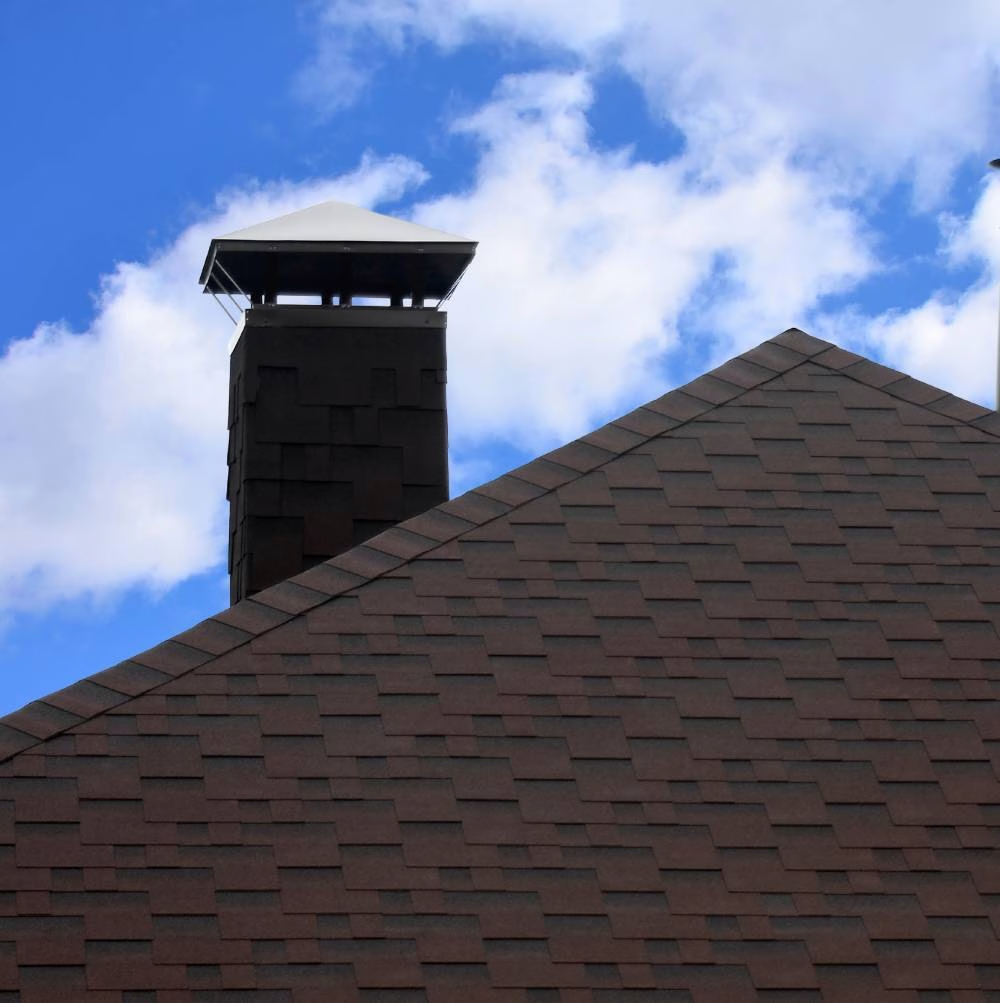
A chimney cap protects the chimney opening, while an inspection evaluates the condition and safety of the chimney system.
If you are replacing a damaged cap or have noticed signs of moisture, it can be helpful to have the surrounding chimney components evaluated as well. An inspection may identify problems that are not visible from ground level.
Homeowners in Boiling Springs can learn more through Chimney Inspection in Boiling Springs, South Carolina.
What to Expect From Professional Chimney Cap Installation
A professional chimney cap installation should begin with an assessment of the existing chimney top and flue configuration.
The process generally involves:
- Evaluating the chimney and existing cap, if one is present.
- Checking the flue opening and measuring the area that needs coverage.
- Determining the appropriate cap style and material.
- Identifying visible damage that could affect installation.
- Securing the chimney cap appropriately for the chimney construction.
- Checking the completed installation to make sure the cap is stable and provides suitable coverage.
If the chimney has existing structural or moisture problems, those should be discussed before assuming that a new cap alone will resolve them.
When Should You Replace a Chimney Cap?
There is no single replacement schedule that applies to every chimney cap. The service life depends on the material, exposure, installation quality, weather conditions, and maintenance.
Instead of replacing a cap simply because it has reached a certain age, look for its actual condition.
Consider professional evaluation when you notice:
- Significant corrosion
- Broken or missing mesh
- Bent metal
- Loose fasteners
- Gaps around the flue
- A cap that has shifted position
- Visible damage following severe weather
- Repeated wildlife entry
- Water entering through the chimney opening
Prompt attention can help prevent a relatively small chimney-top problem from becoming a larger maintenance issue.
Protect Your Boiling Springs Chimney
For homeowners in Boiling Springs, chimney cap installation is an important part of protecting an exposed chimney opening. The correct cap should fit the chimney, provide appropriate coverage, remain securely attached, and work with the existing venting system.
If your chimney currently has no cap or the existing cap has deteriorated, Fire Aid Chimney Services can help you determine what type of chimney service is appropriate for your property.
For broader chimney and fireplace information, explore the company’s Chimney & Fireplace Services or use the Contact Us page to request service.
Frequently Asked Questions About Chimney Cap Installation
Does every chimney need a chimney cap?
Most exposed chimney flues benefit from appropriate protection at the top. The exact solution depends on the chimney and venting configuration, so the cap should be selected based on the actual installation.
What does a chimney cap protect against?
A properly installed chimney cap can help limit rain, debris, and wildlife from entering the chimney. Some designs also provide spark protection through screening.
Can a chimney cap stop a chimney leak?
It can help when water is entering through an exposed flue opening. However, chimney leaks can also originate from flashing, masonry, the crown, or other areas. Those problems require separate evaluation and repair.
Can I install a chimney cap myself?
Some chimney caps may appear simple to install, but accessing a chimney requires working at roof level and the cap must be correctly sized and secured. Professional installation can help ensure that the cap is suitable for the chimney and securely mounted.
How do I know what size chimney cap I need?
The correct size depends on the dimensions and configuration of your chimney and flue. Measuring the actual installation is more reliable than choosing a cap based only on the appearance of the chimney from the ground.
Should my chimney be inspected before installing a new cap?
An inspection can be especially useful when the existing cap is damaged, the chimney has visible deterioration, or there are signs of water entry. It can identify conditions that could affect the new installation.
Can a damaged chimney cap affect wildlife protection?
Yes. Broken mesh, missing sections, or gaps can create openings through which birds and other animals may enter. Replacing a damaged cap can restore the protective barrier.
How often should a chimney cap be checked?
The cap should be checked as part of routine chimney maintenance, especially after severe weather. Visible rust, damage, movement, or missing screening are reasons to have it evaluated.
Areas We Serve
Fire Aid Chimney Services provides chimney cap installation throughout Upstate South Carolina, including:
Other Services We Offer in Boiling Springs South Carolina
Chimney cap installation is one part of what we do. We also handle chimney inspection, chimney sweep, chimney cleaning, chimney repair, fireplace inspection, gas fireplace service, gas fireplace repair, chimney waterproofing, masonry chimney repair, chimney rebuild, and chimney leak repair.