Fire Aid Chimney Services
Chimney Repair
Chimney Repair Services
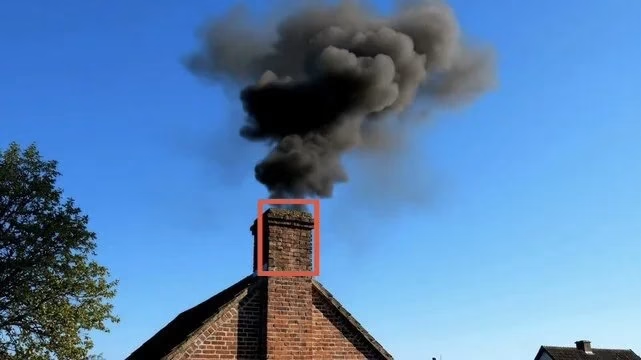
A chimney does not fail overnight. The damage builds slowly — a hairline crack in the crown, a spalled brick, a flashing that pulls loose from the roof. Each problem starts small. Left alone, they let water in, weaken the structure, and eventually require repairs that cost far more than fixing the original issue would have. Chimney repair is the process of addressing damage before it spreads.
Fire Aid Chimney Services provides chimney repair for homeowners in Greenville and surrounding Upstate communities who want their chimneys safe and structurally sound. In addition, we handle chimney inspection, chimney sweep, chimney cleaning, chimney waterproofing, and chimney cap installation.
Signs Your Chimney Needs Repair
Chimney damage is not always obvious from the ground. Some problems show up inside the home. Others only appear on the roof or in the attic. Common warning signs include:
-
Cracked or missing mortar joints. Mortar is the weakest part of a masonry chimney. When it fails, water gets in and freeze-thaw cycles widen the cracks .
-
Spalling bricks. Brick faces flaking off or falling away means the brick is absorbing water and breaking down .
-
Damaged chimney crown. The crown is the concrete cap on top of the chimney. Cracks in the crown let water run down into the chimney structure .
-
Rust on the firebox or damper. Rust indicates moisture is getting into the system .
-
Water stains on the ceiling or walls near the chimney. This means the flashing or masonry is leaking .
-
White staining on the exterior. Efflorescence — the white powdery residue on brick — signals water is moving through the masonry .
-
Tilted or leaning chimney. A chimney that leans away from the house has a structural problem that needs immediate attention .
-
Deteriorated flue liner. Cracks or gaps in the clay tile liner allow heat and gases to reach combustible materials .
If you see any of these signs, an inspection will determine what repair is needed and how urgent it is.
Chimney Cap Repair or Replacement
The cap keeps water, animals, and debris out of the flue. Damaged or missing caps get replaced . For more on this, see our chimney cap installation page.
Repair vs. Rebuild: How to Decide
Not every damaged chimney can be repaired. Sometimes the damage is extensive enough that a rebuild makes more sense.
Repair makes sense when:
-
Damage is limited to specific areas (a few cracked bricks, a damaged crown)
-
The chimney is structurally sound overall
-
The liner is intact or can be relined
-
Water damage has not compromised the structure
Rebuild makes sense when:
-
The chimney is leaning or pulling away from the house
-
Large sections of masonry are failing
-
The chimney has been damaged by a chimney fire
-
The original construction was poor
-
More than 25% of the structure needs repair
A professional inspection determines which option is right for your situation. For extensive rebuilds, see our chimney rebuild page.
Common Chimney Repairs
Different problems require different repair methods.
Masonry Repair
Cracked or missing mortar joints get repointed — old mortar is removed and replaced with fresh mortar. Spalled or broken bricks get replaced individually. This restores the structural integrity of the chimney and stops water from penetrating the masonry . For larger masonry projects, see our masonry chimney repair page.
Chimney Crown Repair
The crown protects the top of the chimney from water. When it cracks, water gets into the masonry and causes damage below. Crown repair involves patching minor cracks or rebuilding the crown entirely when damage is extensive .
Flashing Repair
Flashing is the metal that seals the joint between the chimney and the roof. When it pulls loose or corrodes, water gets in at the roofline. Flashing repair restores the seal and prevents leaks .
Flue Liner Repair
The flue liner protects the chimney from heat and keeps gases inside the flue. Cracked or deteriorated liners need repair or replacement. Options include cast-in-place liners, stainless steel liners, and heat-resistant coatings .
Why Greenville’s Climate Affects Chimney Repair
The Upstate’s weather pattern is hard on masonry. Greenville sees freeze-thaw cycles through winter — water gets into cracks during the day, then expands when temperatures drop at night. Each cycle widens the cracks. Over a few seasons, small cracks become large ones.
Summer storms also drive water sideways against the chimney. Wind-driven rain finds its way into any gap — damaged flashing, cracked mortar, a chipped crown. Waterproofing after repair prevents new problems from forming . For more on this, see our chimney waterproofing page.
What Happens During a Chimney Repair Appointment
Every repair starts with an inspection. The technician examines the firebox, flue, crown, flashing, and visible masonry to determine what needs repair and what method to use.
Exterior assessment. The technician checks the roofline, chimney cap, crown, mortar joints, flashing, and visible masonry. This establishes what repairs are needed and in what order .
Interior assessment. Inside the home, the technician examines the firebox, damper, smoke chamber, and accessible portions of the flue. Drop cloths go down before anything is opened.
Repair work. The technician performs the repairs — repointing mortar, replacing bricks, patching the crown, replacing flashing, or relining the flue. The scope of work depends on what was found.
Final inspection. After repairs, the technician verifies the work and checks that the problem is resolved. You receive a written summary of what was done.
What Affects the Cost of Chimney Repair
Chimney repair costs vary widely based on the type and extent of damage.
Type of damage. Small crown patches cost less than full crown rebuilds. Repointing a few joints costs less than replacing multiple bricks.
Access. Chimneys that are easy to reach from the roof cost less than those requiring scaffolding or special equipment.
Extent of damage. The more damage there is, the more time and materials the repair takes.
Materials. Matching existing brick and mortar can add cost. Some chimneys use brick that is no longer manufactured, which requires sourcing or custom matching.
Liner condition. If the liner needs repair or replacement, that adds significant cost depending on the liner type and system.
Waterproofing. Adding waterproofing after repair prevents future damage and is often recommended. For more on this, see our chimney waterproofing page.
We provide estimates based on what we see at the property. Phone quotes cannot account for the specific condition of your chimney and the scope of work.
Questions to Ask Before Hiring a Chimney Repair Service
Before you hire anyone for chimney repair, ask:
-
Are you CSIA certified?
-
Will I receive a written inspection report and estimate?
-
What repair method do you recommend, and why?
-
Will you match the existing brick and mortar?
-
Are you insured for property damage and liability?
-
What is the payment schedule?
A qualified chimney repair professional will answer these questions directly.
How Much Does Chimney Repair Cost?
There is no single price for chimney repair because every chimney has different conditions and repair requirements.
The overall cost may depend on:
- Type of damage
- Extent of deterioration
- Chimney height and accessibility
- Amount of masonry requiring repair
- Brick and mortar matching
- Crown condition
- Flashing condition
- Flue liner condition
- Need for scaffolding or specialized equipment
- Waterproofing requirements
A property evaluation provides a more accurate understanding of the work required than a general estimate based only on a description or photograph.
Should You Waterproof Your Chimney After Repair?
Waterproofing may be recommended after certain chimney repairs, particularly when moisture has contributed to the original damage.
Repairing cracks or deteriorated masonry addresses the existing problem, while appropriate moisture protection can help reduce future water penetration. The need for waterproofing depends on the condition and construction of the individual chimney.
Why Professional Chimney Repair Matters
Chimney repairs often involve working at roof height and addressing components that affect the fireplace and venting system. Incorrect repairs can leave moisture pathways open or fail to address the underlying structural problem.
Professional evaluation helps distinguish between cosmetic deterioration and damage that may affect the chimney’s integrity or operation.
Professional Chimney Repair Services
Small chimney problems should not be ignored simply because they are difficult to notice from the ground. Cracked mortar, deteriorated bricks, damaged crowns, leaking flashing, and flue problems can become more serious when left unresolved.
Fire Aid Chimney Services provides chimney repair for homeowners in Greenville and surrounding Upstate South Carolina communities. From localized masonry repairs to crown, flashing, cap, and flue-related work, the appropriate solution depends on what an inspection reveals.
If you have noticed signs of water intrusion, deteriorating masonry, damaged chimney components, or changes around your fireplace, schedule a chimney inspection to determine what repairs your chimney may need.
FAQs About Chimney Repair
How do I know if my chimney needs repair?
Signs include cracked or missing mortar, spalling bricks, damaged crown, rust on the firebox, water stains near the chimney, and white staining on the exterior . If you see any of these, schedule an inspection.
What is the most common chimney repair?
Mortar joint repair (repointing) and crown repair are the most common repairs. Both address water intrusion, which is the leading cause of chimney damage .
Can I repair my own chimney?
Minor cosmetic repairs are possible for some homeowners. However, structural repairs, crown work, flashing repair, and liner work require training, equipment, and safe roof access. DIY chimney repair often leaves the underlying problem unresolved .
How long does chimney repair take?
Small repairs can take a few hours. Larger repairs, including crown rebuilds or repointing extensive areas, may take a day or more. Multi-day projects are common for significant structural work.
What is the difference between chimney repair and chimney rebuild?
Repair addresses specific damaged areas. Rebuild replaces larger sections of the chimney structure. Rebuild is necessary when damage is extensive, the chimney is leaning, or the original construction was flawed .
Do I need to waterproof my chimney after repair?
Yes. Waterproofing after repair helps prevent new damage from forming. It seals the masonry against water intrusion and extends the life of the repair .
How much does chimney repair cost in Greenville?
Costs vary widely based on the type and extent of damage. Contact us to discuss pricing for your situation.
Areas We Serve
Fire Aid Chimney Services provides chimney repair throughout Upstate South Carolina, including:
Other Services We Offer
Chimney repair is one part of what we do. We also handle chimney inspection, chimney sweep, chimney cleaning, fireplace inspection, gas fireplace service, chimney waterproofing, chimney cap installation, masonry chimney repair, chimney rebuild, and chimney leak repair.