Fire Aid Chimney Services
Chimney Inspection in Simpsonville South Carolina
Chimney Inspection in Simpsonville South Carolina
A chimney that looks fine from the outside can have problems you cannot see. Creosote builds up inside the flue. Mortar joints crack. Animal nests block the airway. Water gets behind the flashing and rots the framing. None of it is visible from the living room or the driveway. Chimney inspection is the process of looking inside the system to find problems before they become fires, carbon monoxide leaks, or expensive repairs. FireAid Chimney Services provides chimney inspections in Simpsonville South Carolina for homeowners who want their fireplaces and chimneys verified safe. In addition, we handle chimney sweep, chimney cleaning, chimney repair, chimney waterproofing, and chimney cap installation.
Why Simpsonville South Carolina Homeowners Should Not Skip an Annual Inspection
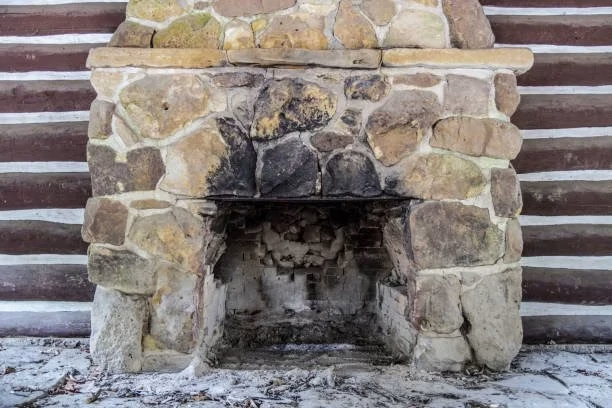
The National Fire Protection Association (NFPA) recommends that all chimneys, fireplaces, and venting systems be inspected at least once a year . This applies even if you rarely use the fireplace.
A system that sat unused all summer can still become unsafe. Animals build nests in flues during warm months. Caps loosen. Masonry crowns crack. Water damages liners and framing. None of these problems announce themselves with a smoke smell or a visible leak .
For wood-burning fireplaces and stoves, annual inspection is especially important because creosote is a fire fuel. It accumulates every time you burn wood, and it can ignite if it builds up enough . Gas fireplaces burn cleaner, but they still rely on venting components, seals, and combustion air pathways that can fail .
Understanding the Three Inspection Levels
The appropriate inspection level depends on the circumstances surrounding the chimney. A regularly maintained system with no known changes may need a different evaluation than a chimney involved in a home purchase or suspected damage.
Level 1 Chimney Inspection
A Level 1 inspection is generally used when the chimney system is operating under its existing conditions and there are no known concerns requiring a deeper examination.
The inspection focuses on accessible portions of the fireplace and chimney, including areas such as the firebox, damper, and visible components. It can help identify obvious deterioration, blockage, or other conditions requiring attention.
Level 2 Chimney Inspection
A Level 2 inspection provides a more detailed assessment and can include a video examination of the interior of the flue. Accessible areas around the chimney may also be evaluated.
This inspection level can be appropriate when a home is being bought or sold, when the fireplace or appliance has been modified, after a chimney fire, or when there is a reason to suspect an issue that cannot be adequately evaluated during a basic inspection.
Level 3 Chimney Inspection
A Level 3 inspection may be considered when a suspected problem involves concealed portions of the chimney that cannot be reached through normal inspection methods.
Depending on the circumstances, limited removal of materials may be necessary to access the area in question. Because this type of inspection is more invasive, it is generally performed only when there is a specific reason to investigate a hidden condition.
When Should You Have Your Simpsonville Chimney Inspected?
An inspection should be part of ongoing fireplace maintenance, but certain circumstances make an evaluation particularly important.
Consider scheduling a professional inspection when:
- You have moved into a home with an existing fireplace
- The chimney has not been inspected recently
- You are purchasing or selling a property
- The fireplace has been unused for a long period
- The fireplace or chimney has been modified
- You notice unusual odors
- Smoke enters the living space
- Water appears around the fireplace
- Masonry or firebox materials appear damaged
- You notice rust or moisture-related deterioration
- You hear animals inside the chimney
- You suspect a chimney fire has occurred
A change in how the fireplace operates can also be a reason to have the system evaluated.
Chimney Inspections for Simpsonville Homeowners
Homes in Simpsonville can have different chimney designs, ages, and fireplace systems. An older masonry chimney may require attention to mortar joints, flue liners, crowns, flashing, and other structural components, while a factory-built or gas fireplace has its own specialized components.
For this reason, chimney inspection should be based on the actual system rather than relying on a one-size-fits-all approach.
An inspection can help distinguish normal aging and routine maintenance needs from conditions that require repair or additional investigation.
Inspecting a Chimney Before Buying a Home
A fireplace can be an attractive feature when purchasing a home, but its appearance does not necessarily reveal the condition of the chimney.
A professional chimney inspection can provide additional information about the fireplace and venting system before a real estate transaction is completed. This is especially useful when the chimney’s age, maintenance history, or previous use is unclear.
A Level 2 inspection may be appropriate in a real estate situation when a more detailed examination of the flue and accessible areas is needed.
Chimney Inspection After Damage or Changes
A chimney should also be evaluated after circumstances that may affect its condition. A chimney fire, significant water intrusion, appliance replacement, or modification to the venting system can change how the system should be inspected.
For example, damage from a chimney fire may not be limited to the visible fireplace area. Internal flue components and surrounding portions of the chimney may also require evaluation.
Similarly, recurring water stains can indicate that moisture is entering through a chimney component or surrounding area. Finding the source is important before assuming that surface damage is the only problem.
Warning Signs Simpsonville South Carolina Homeowners Should Not Ignore
Don’t wait for your annual appointment if you notice any of these:
-
Smoke entering the room. This means the flue is blocked or the draft is failing .
-
Strong or unusual odors. A bad smell from the fireplace can indicate a nest, stagnant water, or creosote buildup .
-
Visible cracks or damage in the firebox. Cracked bricks or loose mortar inside the firebox need immediate attention .
-
Water leaks or rust. Stains on the chimney or around the fireplace mean water is getting in .
-
Animal noises in the flue. Birds and animals nest in chimneys, and their nests block airflow .
-
Evidence of a chimney fire. Loud rumbling, extreme heat, or cracked flue materials are signs a fire has already occurred .
-
Gas smells. For gas fireplaces, any gas odor requires immediate attention .
Why Simpsonville South Carolina Housing Matters for Inspections
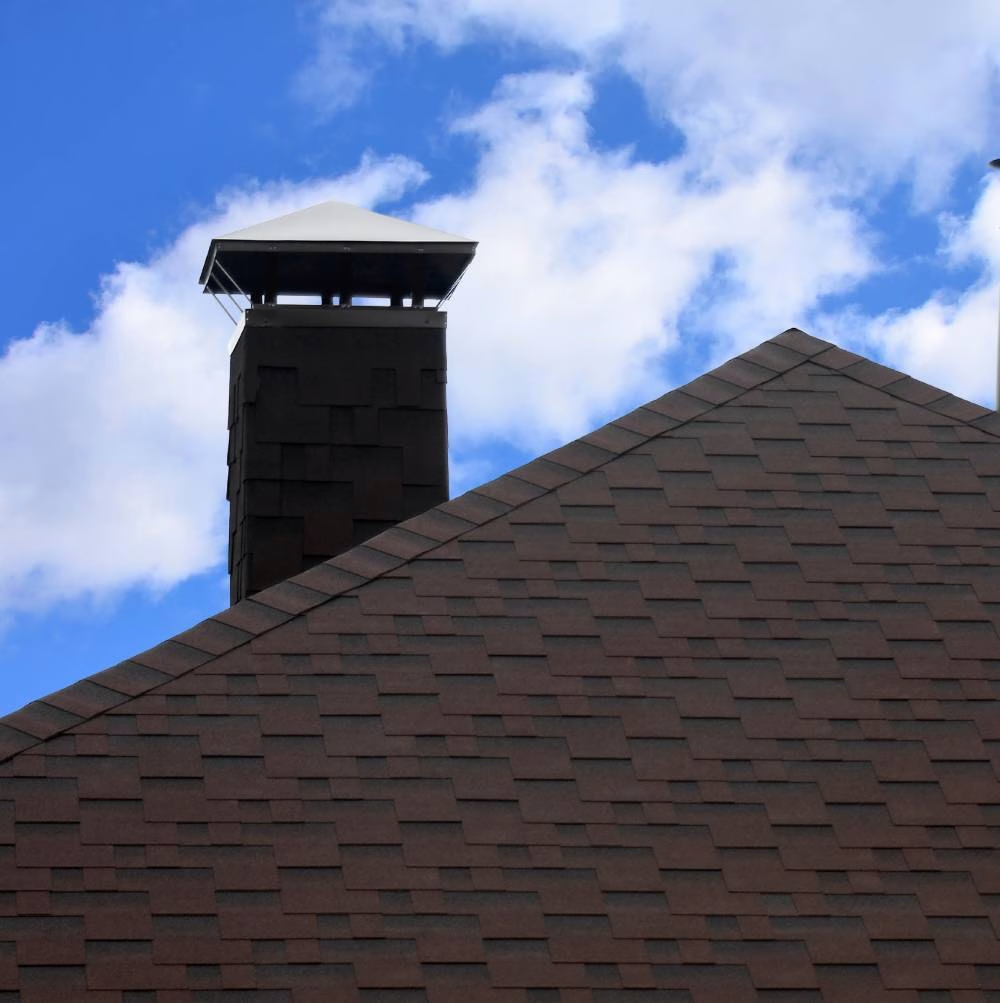
Simpsonville South Carolina homes span nearly a century of construction. Different eras built chimneys differently, used different materials, and created different maintenance challenges.
Homes from the 1920s to 1950s often have original masonry chimneys with clay tile liners. These systems can have mortar joint deterioration and cracked tiles that only a camera inspection reveals. Homes from the 1970s may have prefabricated fireplaces with refractory panels that crack and need replacement. Newer homes with direct-vent gas fireplaces still need inspection of venting components, burner performance, and exterior terminations .
An inspector who works in Simpsonville South Carolina regularly knows what to look for in each type of system.
What to Ask Before Hiring Anyone in Simpsonville South Carolina
Before you hire anyone for a chimney inspection, ask:
-
Are you CSIA certified?
-
Will I receive a written inspection report?
-
Do you perform camera inspections of the flue?
-
What level of inspection do I need for my situation?
-
Are you insured for property damage and liability?
-
What is the cost of the inspection, and are there additional fees?
A qualified chimney inspector will answer these questions directly.
Why Simpsonville South Carolina Homeowners Contact FireAid
FireAid Chimney Services serves Simpsonville South Carolina and surrounding Upstate communities with chimney inspection, chimney sweep, chimney repair, and related services. If your chimney is due for inspection, contact us to discuss your situation and schedule an appointment.
Why Greenville Homeowners Contact FireAid
FireAid Chimney Services serves Greenville and surrounding Upstate communities with chimney inspection, chimney sweep, chimney repair, and related services. If your chimney is due for inspection, contact us to discuss your situation and schedule an appointment.
FAQs About Chimney Inspection in Simpsonville South Carolina
How often should a chimney be inspected?
The NFPA recommends annual inspections for all chimneys and venting systems, even if the fireplace is rarely used .
What is the difference between a chimney sweep and a chimney inspection?
A sweep cleans the chimney. An inspection evaluates the condition of the system for safety and function. A chimney may need inspection even when it does not need sweeping, and it may need repair even after it is cleaned .
How long does a chimney inspection take?
A Level 1 inspection typically takes 30 to 60 minutes. A Level 2 inspection with camera scan takes one to two hours. Level 3 inspections vary based on how much access is needed .
Do I need a chimney inspection if I have a gas fireplace?
Yes. Gas fireplaces still rely on venting components, seals, and combustion pathways that can fail. Annual inspection is recommended for all fuel types .
What does a chimney inspection cost?
Inspection costs vary based on the level needed and the specific system. Contact us to discuss pricing for your situation.
Can you inspect a chimney before I buy a house in Simpsonville South Carolina?
Yes. A Level 2 inspection is the standard for real estate transactions. The written report can be used in purchase negotiations .
What happens if the inspection finds a problem?
The inspector documents the finding and explains your options. If repair is needed, you receive a separate written price before any work begins .
Areas We Serve
FireAid Chimney Services provides chimney inspection throughout Upstate South Carolina, including:
Other Services We Offer in Simpsonville South Carolina
Chimney inspection is one part of what we do. We also handle chimney sweep, chimney cleaning, chimney repair, fireplace inspection, gas fireplace service, chimney waterproofing, chimney cap installation, masonry chimney repair, chimney rebuild, and chimney leak repair.